"Dior restored women's taste for luxury"


Christian Dior, the future founder of the fashion house, who celebrated female beauty in the post-war era, joined the profession only at the age of 42 and in 10 years was able to lay the foundation for a future empire. The world-famous book by Catherine Ormen, a major art critic and fashion historian, Dior Forever, was first published in Russia and includes more than 300 unique photographs, invitations to shows personally signed by the couturier, as well as sketches of the master's first dresses. In an exclusive interview with Izvestia, Catherine Ormen, known for the bestsellers "All about Willow", "Absolutely Chanel", "The Age of Fashion" and many others, spoke about Dior's personality, his extravagance in the post-war era and the future of the House of Dior.
"We have gained access to archives that have never been shown to the public before"
— "Dior Forever" was written more than 10 years ago and is part of your trilogy about great fashion houses. Why did you dedicate the book specifically to Dior, and not to Louis Vuitton, Givenchy or Herm's?
— Long before I decided to write "Dior forever", I was working with the historical collections of the House of Dior — and this activity deeply inspired me. In addition, I had just finished the book "The Age of Fashion", dedicated to the houses that shaped the style of the XX and XXI centuries, and Dior, of course, occupied a special place in it. Therefore, we quickly realized with the publisher that it was worth dedicating an entire book to this story. That's how Dior Forever appeared, the first in the conceived collection and defining its tone.
— What archival materials did you use? What will readers see for the first time?
— The House of Dior has provided us with full support: we have received access to the archives and permission to publish documents that have never been shown to the public before. This was made possible by the unusual format of the book — with facsimiles, envelopes and interactive inserts. They make the story tangible: the reader can literally touch the documents, as I once did. It's a real treat. "Dior Forever" is not just a story about the house, its creator and successors, but rather a visual almanac where history is felt with eyes and hands.
— What difficulties did you encounter when choosing materials? How does the book's design reflect the spirit of Dior?
— The structure of the book combines chronology and thematic principles. We show how the Dior empire was formed — from 1947, when the first collections of haute couture and perfumes appeared, to the rapid international growth: the opening of branches, the launch of the prêt-à-porter, Baby Dior lines, accessories, jewelry and much more.
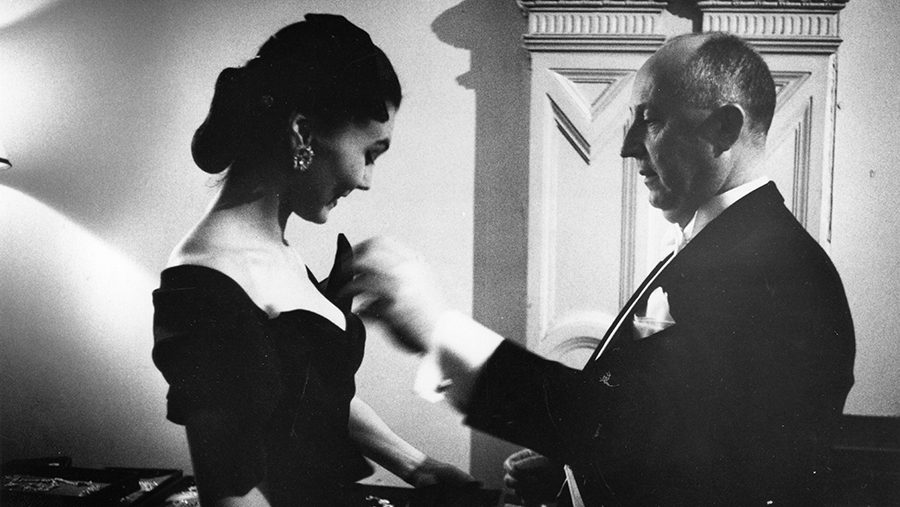
By the end of the 1950s, Dior accounted for more than half of France's haute couture exports. This phenomenal success is due not only to the commercial talent of the team surrounding the couturier, but above all to the concept of elegance that Christian Dior formulated for ten years, what is now called the "DNA of the brand." In the book, I trace the origin and evolution of the Dior codes so that the reader has a solid understanding of the brand. That's why I carefully selected images and documents — only the most expressive and meaningful ones.

"He sold his sketches of clothes under the pseudonym Tian to various fashion houses."
— What was Christian Dior like when he opened his own atelier at the age of 42? What made him a couturier, because he did not plan to be a fashion designer?
— First of all, Dior was an aesthete. He had a keen sense of art, grew up in a privileged family, and developed a special taste for painting from an early age. In Paris, together with a friend, he opened a gallery where modernists, including Dali and Picasso, exhibited.
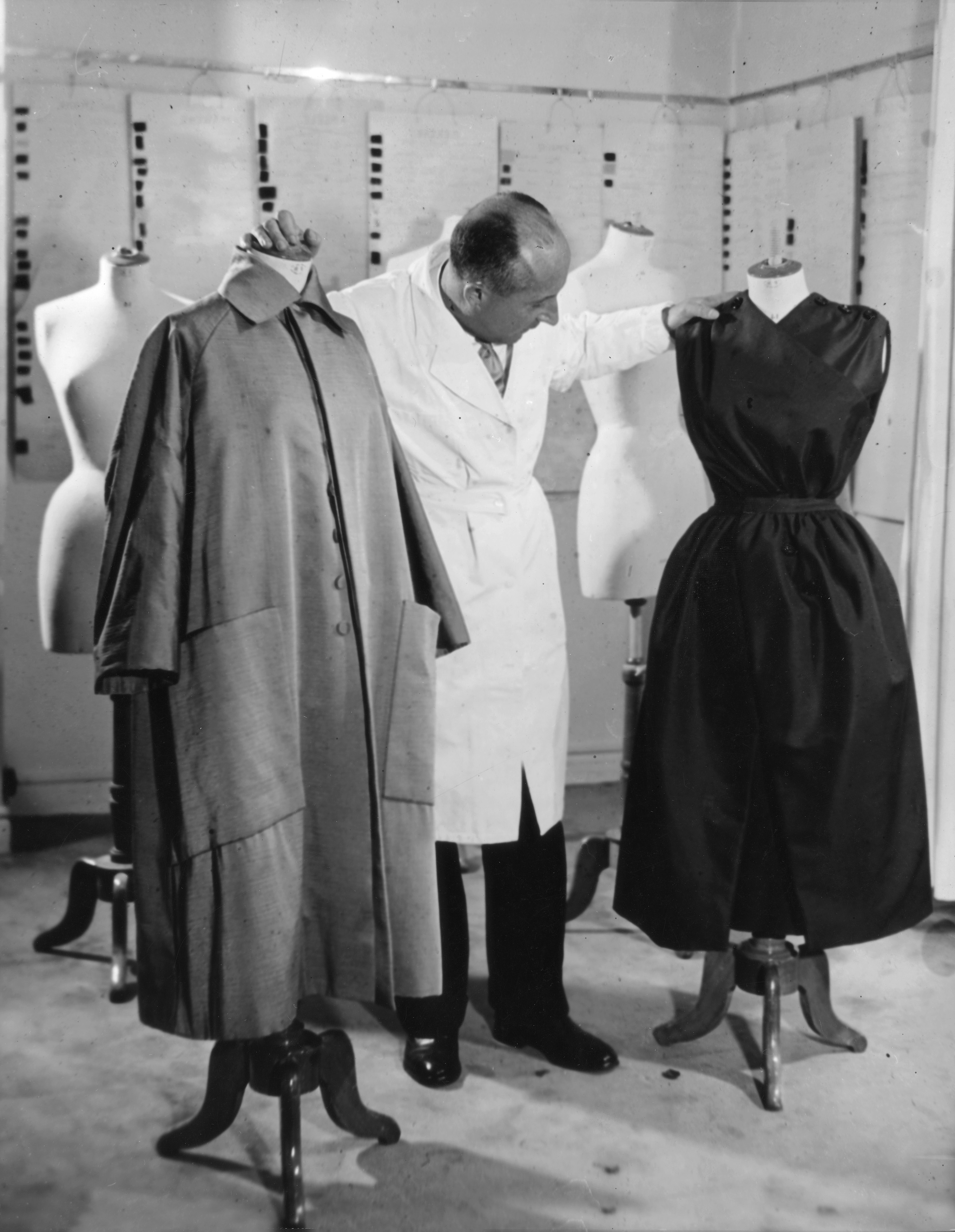
In addition, Dior had exceptional drawing skills. During the period between the First and Second World Wars, he sold his sketches of clothes under the pseudonym Tian to various fashion houses — this was a common practice. Then he learned how to create clothes in practice, working as a fashion designer in two famous Parisian houses — Robert Piguet and Lucien Lelong.
Christian was educated, shy, polite and reserved, but determined at the same time. Instead of reviving the old house, as Marcel Boussac advised, Dior chose to believe in his lucky star — he was very superstitious — and create a new house under his own name. It required a lot of self-confidence!
For all his modesty, he was a wonderful speaker and writer. Dior wrote articles, books, gave lectures and developed a method of effective interaction with the press and the public. Each season, he identified a new line, gave it a name and briefly explained the essence — and it invariably made the front pages of the French and international press.
— Can Dior be called an innovator, or was he rather nostalgic for the past and bringing fashion back to tradition?
"Neither one nor the other. Dior was inspired by the French tradition of elegance, relevant back in the time of Marcel Proust. He was referring to the Belle Epoque, but he created clothes for women of his time who remembered the sophistication of the pre-war years. His shows — long, with hundreds of images — were designed for everyone.: young and mature, blondes, brunettes, redheads. He wanted every woman to find her perfect style.
After the war, when the world was in a state of scarcity, Dior restored women's taste for luxury, sophistication and the traditional understanding of femininity. His silhouettes limited his movements, but that's what women dreamed of. Dior's international success proves that this is exactly what an entire generation aspired to.
Is it true that some Dior dresses used dozens of meters of fabric? How did people perceive such luxury after the war?
— I think you are referring to the famous series of photographs of the Diorama dress — it took 26 m of fabric. It was filmed on Lepic Street in Paris: a young woman spinning in a magnificent dress under the disapproving gazes of housewives and vendors.
This staged scene reflects the collision of two worlds — luxury and reality. On the one hand, the dream and youth, on the other — poverty and everyday life. But strong, shocking images were needed to embody renewal and revive an industry devastated by World War II. And this new pin-up silhouette achieved its goal: it quickly became a kind of Holy Grail, a symbol sought by women who prided themselves on their elegance.
— What was he like at work? Is it true that he was called a tyrant of pins?
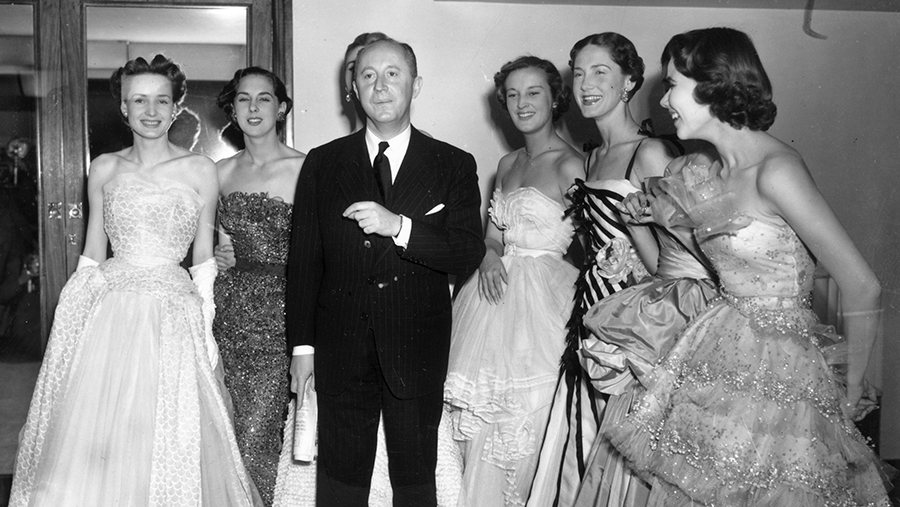
— No, I've never heard of such a nickname, and it surprises me a little. In my mind, Christian Dior was demanding of himself and others, including his colleagues. But this is typical of most great couturiers, whether it's Gabriel Chanel or Cristobal Balenciaga. They were all demanding and sometimes domineering.
Fashion houses are closed, hierarchical worlds, and Dior is no exception. As for Dior himself, I have formed the image of a man who is focused, balanced and, undoubtedly, impeccably polite to the team and suppliers. I think this is the result of the upbringing and morals of that era.

"The responsibility on Anderson is huge and unprecedented"
— Maria Grazia Chiuri became the first woman at the head of Dior and brought a feminist agenda. Is this an evolution or a revolution for the Home?
"A revolution?" I don't think so. Maria Grazia Chiuri openly expresses her feminist views, and in this she is absolutely in tune with the time — the era of the global #MeToo movement. Her idea is simple: fashion should speak the language of society.
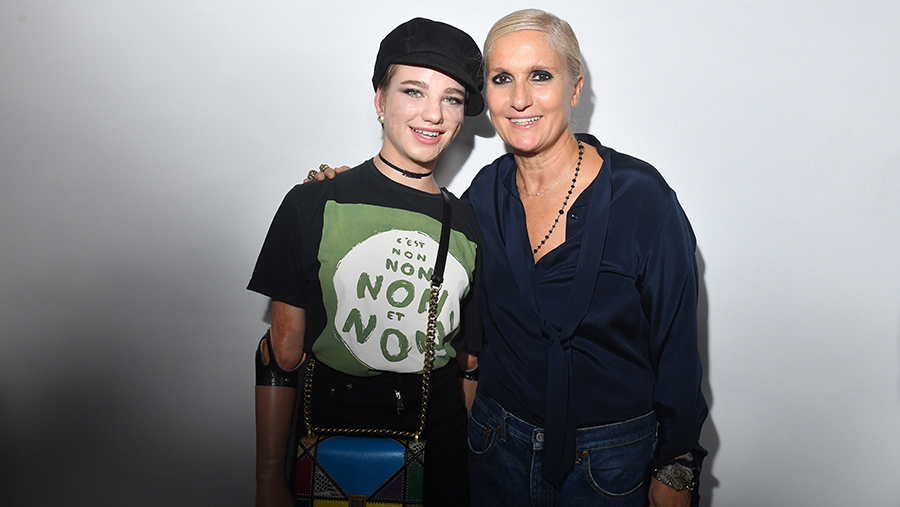
In addition, she does an important job — she appeals to the female traditions of different cultures, creates international connections, supports artists and helps the public perceive new forms. This is a real dialogue of cultures, in which Dior remains recognizable, but modern.
— Today, the Dior House is headed by Jonathan Anderson. In which direction is it moving?
— As a historian, I do not presume to judge today, but one thing is certain: the responsibility on Anderson is enormous and unprecedented. After all, he is the first designer who is responsible for all Dior collections at once. His task is not easy: to retain loyal customers, attract new ones, while maintaining the spirit of the House and at the same time introducing innovations. This combination is likely to ensure greater consistency between the different areas of the brand's work.
At the Spring–summer 2026 Fashion Week, I was struck by his sense of theatricality — something that Dior himself would surely have liked. His work with volumes, playful interpretation of the founder's signature silhouette, including the iconic Bar ensemble — all this is the legacy of the House, read anew. His collections also reflect the spirit of the 18th century, so beloved by Dior: huge hats, bows, luxurious draperies.
Anderson is deeply immersed in the history of Dior and often refers to the archives. His creativity combined with the craftsmanship of the atelier, I am sure, will allow him to connect the past, present and future of the House of Dior.
Переведено сервисом «Яндекс Переводчик»
