Scientists talked about the need for vaccination

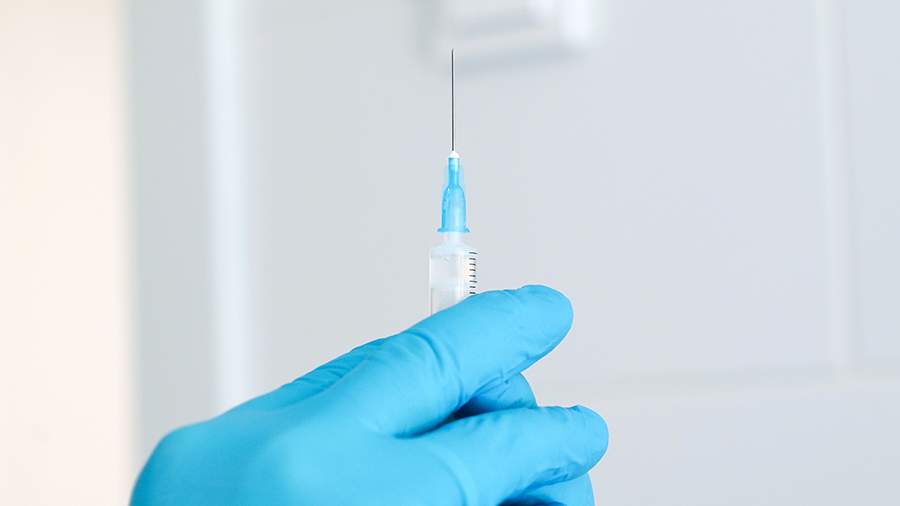
On October 2, Associate Professor Ekaterina Bankovskaya and PNRPU Professor Oleg Dolgikh spoke about the reasons for the availability of different types of vaccines and why mass immunization remains a key barrier to dangerous infections."Газете.Ru ".
According to the professor, infection resistance is disrupted by vaccination of 90-95% of the population: the pathogen has nowhere to circulate, which protects infants and the seriously ill. Conscious refusals destroy this protection, provoking outbreaks of known diseases.
"There is no perfect vaccination against all diseases, the choice is determined by the specific pathogen and what kind of immunity society needs," said Bankovskaya.
Classical live attenuated vaccines copy natural infection, forming long—term protection at two levels - antibody and cellular. Inactivated vaccinations are safe for vulnerable patients, but they often need to be revaccinated because the killed virus does not enter cells and does not create a stable immune response. Vector vaccines use a harmless virus carrier to deliver a gene fragment of the pathogen, forcing the immune system to respond without risk of infection.
Experts note that there can be no universal vaccination "against acute respiratory viral infections": hundreds of different viruses attacking the respiratory tract and their rapid variability make it impossible to update formulas annually for the entire spectrum.
They also said that the vaccination calendar is designed to protect the child before meeting with the most dangerous agents. The hepatitis B vaccine prevents the risk of chronic infection leading to cirrhosis and liver cancer on the first day, and BCG prepares immunity to Mycobacterium tuberculosis on the 3rd-7th day.
Today, vaccination in Russia is voluntary, but epidemiologists warn that with a decrease in adherence, a return to mandatory measures is possible, the experts concluded.

Earlier, on October 1, Ekaterina Tur, a psychosomatologist, said that touching helps to fight depression. Tur explained that for lonely people, self—contact, a body-oriented therapy technique, can be an alternative to hugging, the effectiveness of which has been confirmed by research: it reduces cortisol levels.
All important news is on the Izvestia channel in the MAX messenger.
Переведено сервисом «Яндекс Переводчик»
