
Tolga Icon of the Mother of God: the story of the miraculous image

On August 21, the Orthodox Church celebrates the day of remembrance of the Tolga Icon of the Mother of God, one of the most revered shrines in Russia. It is believed that the icon is miraculous, and its history is filled with many miracles. On this day, believers throughout the country perform prayer services, processions and prayers, appealing to the Mother of God with requests for protection and healing. More than 700 years have passed since the appearance of this icon, but its significance has not lost its relevance to this day. How the shrine helps believers, why the Tolga icon has become a symbol of faith, miracles and protection — in the material of Izvestia.
Historical outline: the appearance of the icon
On August 21, the Orthodox Church celebrates the feast of the Tolga Icon of the Mother of God, one of the oldest and most revered shrines of Russia. This day is dedicated not only to the memory of the miraculous appearance of the image of the Most Holy Theotokos, but also to the centuries-old tradition of prayerful appeal to Her, which brought comfort, healing and protection to believers.
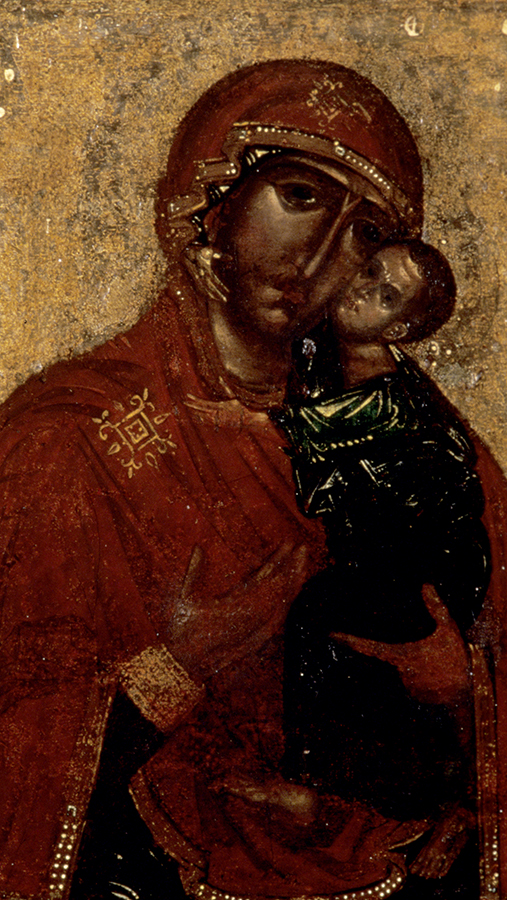
According to legend, in 1314, Bishop Prokhor (Trifon) of Rostov and Yaroslavl, returning from the Kirillo-Belozersky monastery, stopped for the night on the right bank of the Volga River, near the confluence of the Tolga River. At midnight, he saw a bright light coming from a pillar of fire on the opposite shore, to which the bridge stretched.
Crossing this bridge, the bishop discovered an icon of the Blessed Virgin Mary miraculously floating in the air. After the prayer, he returned back, forgetting his bishop's staff. The servants of the monastery, going after him, found both the rod and the icon, now standing on the ground between the trees. Soon a wooden church was built on this site, consecrated in honor of the Entry of the Most Holy Theotokos into the temple, and the Tolga Monastery was founded.
Iconography and varieties of the image
It is not known when the first image of the Tolga icon appeared, but today it exists in three versions and is one of the oldest images of the Virgin in Russia. One of the lists is kept in the State Tretyakov Gallery in Moscow. In this icon, the Mother of God is depicted with the Christ child, who holds a scroll in his hands.
The most famous variant is the icon, revealed in 1314. This is exactly the image that has become the main object of veneration and is considered miraculous. According to legend, the icon was found on the banks of the Tolga River, and since then it has been considered miraculous. This image is kept in the Tolga Monastery in Yaroslavl. The icon also depicts the Virgin and Christ, but in more elaborate details, with pronounced iconography typical of the 14th century.

The third version, also known as the Tolga Icon, is kept in the State Russian Museum in St. Petersburg. It differs from the previous ones in stricter proportions and stylistic features typical of late medieval icon painting. However, all these versions are united by one key element — the peaceful image of the Blessed Virgin, expressing concern and prayerful silence.
Later lists, which are found in abundance in churches throughout Russia, continue the traditions of the iconography of the Tolga icon and often serve for worship in different regions, while retaining the characteristic features of the Virgin in the foreground with the infant Christ, as well as the element of a luminous halo symbolizing her holiness and divine power.
Miracles and healings
The Tolga Icon of the Mother of God is famous for the many miracles and healings that have occurred as a result of her veneration. The miracles associated with the Tolga Icon are deeply rooted in the history of the Orthodox Church and still remain an important element of the spiritual life of many believers.
One of the first miracles associated with the Tolga icon was its myrrh-streaming in 1392. This phenomenon shocked the faithful and significantly strengthened the cult of the icon. Myrrh streaming, when myrrh — holy oil begins to stand out from the image, is considered a sign of the divine presence. The miracle attracted the attention of many pilgrims, and the Tolga icon became even more famous as a miraculous image.
Another miracle attributed to the Tolga icon is the resurrection of a dead child. There is a legend that one of the residents of Yaroslavl, who lost his child, found solace by turning to the Tolga icon with prayer. Through the prayers of the faithful, the boy, who was considered dead, came back to life.
According to legend, the Tolga icon played an important role in protecting the city of Yaroslavl from pestilence in 1654. When the epidemic came to the city, the locals turned to the Mother of God with prayers for salvation. A prayer service was organized in response to the prayers, and, according to legend, the epidemic suddenly stopped.
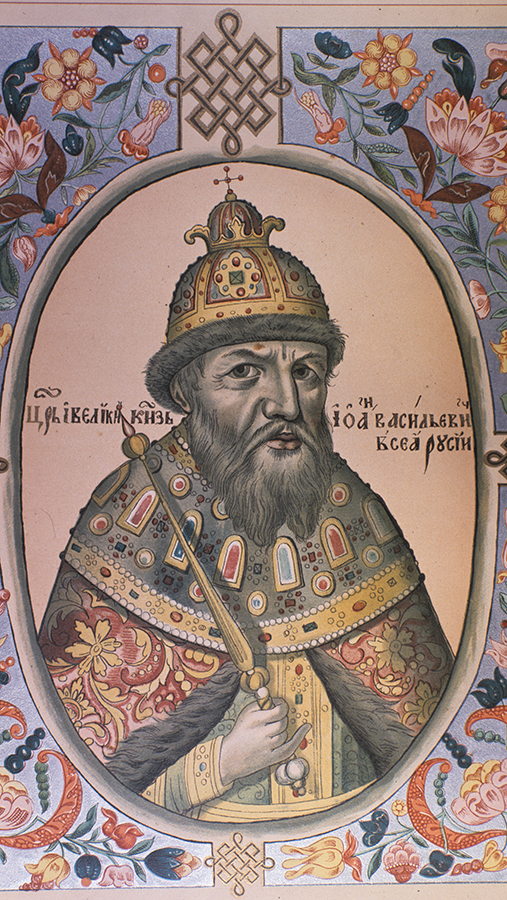
The icon is also credited with the healing of Tsar Ivan IV from a foot disease in 1553. According to historical sources, when the tsar was suffering from a serious illness, he prayed to the Tolga Icon. Soon after, his health improved significantly, which the tsar perceived as a manifestation of the miraculous power of the icon.
Another miracle related to the Tolga icon occurred in the 14th century, when a large fire broke out in the monastery. Despite the destruction, the icon remained intact, which was perceived as a miracle.
Modern worship and festive worship services
The Tolga Icon of the Mother of God continues to be one of the most revered shrines in the Russian Orthodox Church. The image is a symbol of protection, comfort and healing, and every appeal to her is accompanied by sincere prayers for help and intercession.
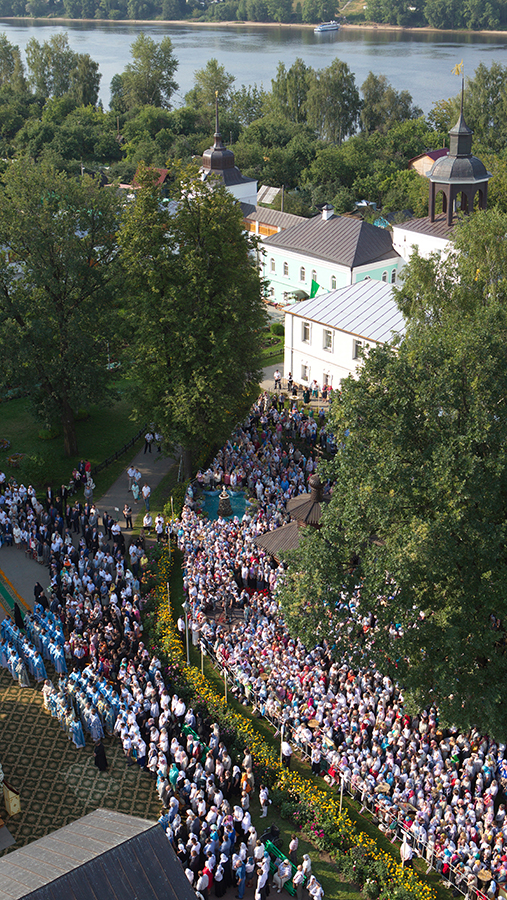
On August 21, the day of commemoration of the Tolga Icon, solemn divine services are held in the Tolga Monastery and other churches dedicated to this shrine. In the morning, the festive liturgy begins, where priests and believers pray for the health and well-being of all those present. Special attention is paid to prayers for the intercession of the Mother of God, who, according to believers, protects and protects from disasters.
In Yaroslavl, where the main temple in honor of this icon, the Tolga Monastery, is located, many pilgrims come. For many believers, the Tolga icon has become not just a shrine, but a symbol of their personal spiritual connection with the Mother of God. By taking part in the commemoration Day celebrations and visiting the Tolga Monastery or other temples dedicated to this icon, Christians feel their faith strengthened and receive spiritual solace.
Переведено сервисом «Яндекс Переводчик»
