- Статьи
- Local news
- August 16 — Anton Vikhrovey Day: history, traditions and signs of a national holiday

August 16 — Anton Vikhrovey Day: history, traditions and signs of a national holiday

On Saturday, August 16, the Orthodox Church honors the memory of St. Anthony the Roman— the Wonderworker of Novgorod, the founder of the Antoniev Monastery and one of the most revered figures in the spiritual history of Ancient Russia. This day was popularly called Anton Vikhrovey. According to legend, it is in the middle of August that the first harbingers of autumn and cold weather appear — whirlwinds. It was believed that the winds on this day could predict what the winter and the future harvest would be like. For more information about the virtues of the Novgorod Wonderworker and how it is customary to celebrate his memorial day, see the Izvestia article.
The Life of St. Anthony the Roman
Anthony was born in 1067 into a wealthy and pious family in Rome, where from an early age he showed deep faith and a desire for monastic life. Orphaned at the age of 18, he completely renounced worldly wealth: he distributed half of his inheritance to beggars, and put the rest in a barrel, which he threw into the sea.

Then Anthony went to a deserted monastery, where he spent about 20 years in solitary prayer and strict asceticism. When Christians in the region were persecuted, he was forced to leave the monastery and wandered to various places until he found quiet solitude on the seashore.
The miracle of his life is connected with a journey on a block: a storm in September 1105 tore off the stone on which he was praying and carried it into the sea. Anthony miraculously swam to the shore of Novgorod near the Volkhov River, where, according to legend, he stopped exactly on the feast of the Nativity of the Blessed Virgin Mary. This trip lasted only three days, whereas the usual journey from Italy to Novgorod took about six months. The locals, not understanding the saint's language, met him with surprise for the first time, but soon he managed to explain himself through signs and prayer.

With the support of Bishop Nikita the Recluse of Novgorod, Anthony founded the famous Antoniev Monastery, first erecting a wooden church, and later a stone cathedral of the Nativity of the Blessed Virgin Mary. The monastery became the spiritual center of the region, attracting monks and pilgrims.
Anthony the Roman became famous for numerous miracles and healings, which were talked about by his contemporaries and followers. His prayers were considered especially powerful, helping to cure diseases and spiritual ailments. According to legend, the saint stood for peace and righteousness, was able to heal illnesses and gave comfort to those burdened with sorrows. Special attention is paid to his role as the wonderworker and patron saint of Novgorod — he is considered a saint who brought Orthodoxy and spiritual revival to the northwestern lands of Ancient Russia.
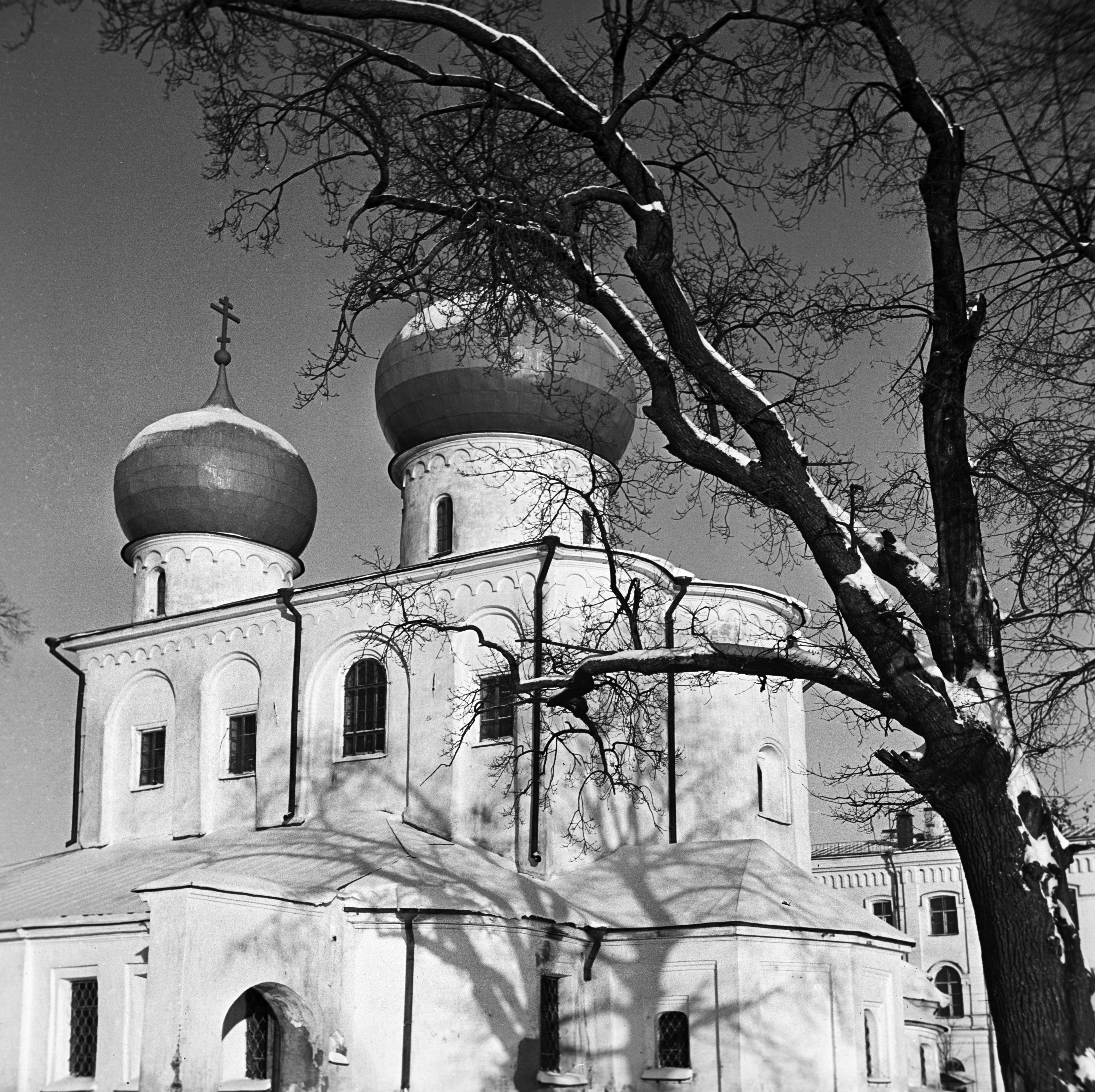
After his death in 1147, Anthony's relics were revered and kept in the cathedral he founded. In 1597, Anthony the Roman was canonized by the Russian Orthodox Church.
Anton Vikhrovey's Day: folk signs and customs
The name of the Whirlwinds is due to the fact that on this day strong winds usually begin with swirls, which always attracted the attention of the peasant and were perceived as an omen of the coming winter. According to legend, the stronger the whirlwinds on Anton, the more snowy and frosty the winter will be. Special attention was paid to which side the wind was blowing from: the warm south promised a mild winter and a good harvest, while the cold north promised severe frosts.
In the folk tradition, there was an unusual ritual — "chopping off the wind", when a knife or stone was thrown into a whirlwind to cut off all the trouble and crop failure. It was believed that this was the way to protect your household and home from the evil forces brought by storms. It was also customary to "ventilate" things — to hang clothes and household items in the fresh air to cleanse them of evil spirits and diseases.
Another important element of the holiday was the raspberry harvest, as August is the time of its ripening. For this reason, the holiday was also named Raspberry. Raspberries on this day were considered especially sweet and healing — they were used for jams, pies and medicinal infusions.
What you can and can't do on August 16
The holiday falls on the Dormition fast, therefore, believers are prescribed to abstain from fast food — meat, dairy and eggs. Vegetables, fruits, porridges, and lean pastries are allowed.

There were strict prohibitions against Anton Vikhrovey. It was impossible to clean the house, so as not to sweep away happiness and prosperity. Special attention was paid to not taking out the trash and not dusting — this promised emptiness in the wallet. Quarrels and laziness were also forbidden, while hard work on this day promised good luck and prosperity.

What prayers should be read on the memorial day of Anthony the Roman
In the Orthodox tradition, on August 16, believers recite prayers to St. Anthony of Rome to strengthen faith, protect against diseases and troubles, as well as to help in spiritual and vital matters. On the memorial day of Anthony the Roman, the church recommends reading the following texts:
— Prayer to St. Anthony of Rome asking for spiritual strength and help in difficult life situations;
— prayer for the protection of travelers and sailors — the saint is considered the patron saint of all who are on the road;
— prayer for health and getting rid of ailments, including mental suffering and heavy habits.

To strengthen faith on this day, it is also recommended to take part in church services, communion and confession. In addition, on August 16, it was customary for the people to ask the saint for help in learning a new business, well-being in the family, and success in construction and farming.
Переведено сервисом «Яндекс Переводчик»
