The authorities have identified an undesirable level of the ruble exchange rate. What does it mean
- Новости
- Economy
- The authorities have identified an undesirable level of the ruble exchange rate. What does it mean

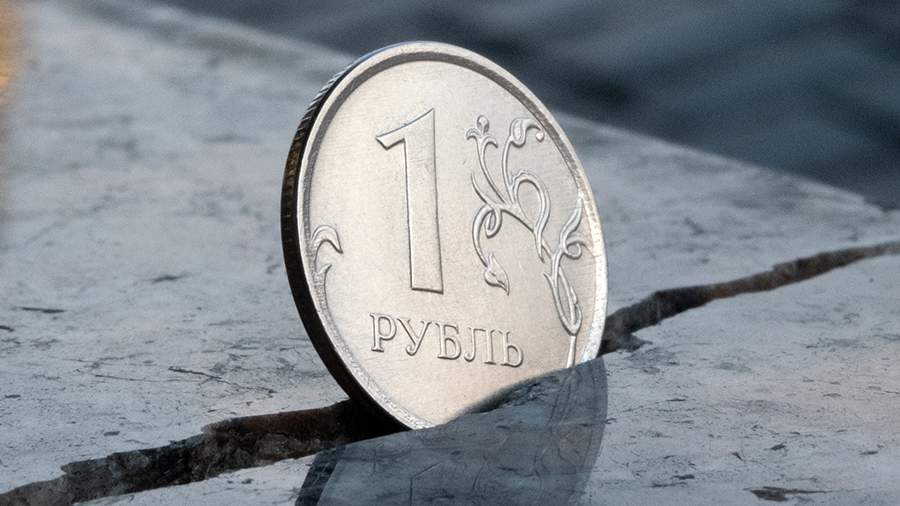
The Ministry of Economic Development has determined that the dollar exchange rate below 75 rubles and above 110 is undesirable for the Russian economy. Going beyond this corridor threatens either a significant budget deficit or a reduction in GDP. The government still has the tools to regulate the ruble exchange rate, but it is also largely influenced by the level of the key interest rate, which has entered a downward cycle. How the exchange rate determines the state of the Russian economy is described in the Izvestia article.
What does the strengthening of the ruble lead to?
• The dollar exchange rate primarily affects the state of the federal budget. The lower the exchange rate against the ruble, the less ruble revenue from customs payments is received, since the government receives fewer rubles when selling the currency. Accordingly, if the exchange rate is higher and the ruble is weakened, then the budget receives more income for itself. It is important for the state to maintain a course that does not negatively affect customs revenues, as they account for 30 to 50% of federal budget revenue.
• For the population, the situation is more advantageous when the dollar exchange rate drops to 75 rubles or even lower. This makes it more profitable to purchase imported goods, including fruit and vegetable products, beef, household appliances, clothing, and shoes. If the dollar exchange rate drops, they become cheaper at retail. At the same time, active purchases abroad affect the domestic production of the same goods and reduce business activity. It is much easier to organize trade in imported goods than to establish production chains within the country. The low ruble exchange rate undermines them and negatively affects national producers.
• However, experts believe that such a depreciation is impossible given the current economic situation, namely, the excessive budget deficit. A too low exchange rate will lead to the need to compensate for the shortfall in budget revenues by increasing the money supply (in fact, to "print money"), and this will become a powerful inflationary factor. In order for the budget to be kept within the planned deficit, a dollar should cost 90-100 rubles.
• So far, the ruble exchange rate has been holding fairly close to the lower limit of the corridor designated by the Ministry of Economic Development due to carry trading, a strategy of investors who profit from significant differences in key rates between different countries. The Russian rate is significantly higher than in other major economies of the world, and investors, even despite the sanctions restrictions, are willing to take risks and take advantage of this. Without the Central Bank's high interest rate, they would not be so interested in buying the ruble and strengthening it.
What does the weakening of the ruble lead to?
• The weakening of the ruble leads to the opposite process. First of all, consumer goods will rise in price. This will reduce consumer demand for many categories of goods, including cars, household appliances, and computers. The industry will also suffer, as a significant part of the production components are supplied from abroad. An expensive dollar will lead to an increase in the cost of production, which will affect the state of domestic businesses using foreign equipment.
• A rate above 110 rubles will cause a surge in inflation, hit household incomes and cause social tension. To prevent this, the Bank of Russia will have to move to tighten monetary policy, but already the key rate is 18% and is quite high. In addition, the Central Bank has just switched to a rate-cutting cycle, meaning all its efforts to contain inflation may be thwarted.
• High inflation due to the weakened ruble and the subsequent forced reaction of the Central Bank will reduce the portfolio of loans to individuals, as loan rates will rise even more, making mortgages and the purchase of expensive goods even more unaffordable. At the same time, the reduction in commercial lending will be even more sensitive for the economy. This will deprive enterprises of any prospects and cause massive bankruptcy, which, in turn, will lead to stagnation or even recession.
• So far, there are no prerequisites for a sharp weakening of the ruble. However, the already mentioned current rate reduction cycle is indirectly leading to this. In this regard, it is important for the Central Bank to take into account all parameters and respect the interests of all participants in the economy — the population, business and the state — in order to avoid strain on any of them.
How does the government influence the ruble exchange rate
• The government has several ways to influence the ruble exchange rate. It may, for example, set higher requirements for the sale of foreign exchange earnings for Russian exporters — now exporters are required to sell 40-60% of foreign exchange earnings. The authorities can also restrict the purchase of foreign currency for the purchase of foreign equipment and goods through various indirect mechanisms, such as regulation of customs duties. The introduction of import duties reduces the marginality of trade and cools it, thus regulating foreign exchange flows.

• The Ministry of Finance can carry out currency interventions within the framework of the budget rule, that is, to sell or buy currency, thus influencing the exchange rate. It usually seeks to weaken the ruble in order to fill the budget with money and prevent a deficit. The central bank can also carry out currency interventions, but, as a rule, pursues the goal of stabilizing the exchange rate at the current level in order to prevent speculation on it.
• Influencing the exchange rate using the key rate is a rather expensive tool for the economy. A high interest rate, which leads to a strengthening of the ruble, slows down the economy by increasing the cost of loans. A low rate weakens the ruble, but it accelerates inflation, which quickly negates all the advantages of a weakened ruble, while reducing the rate is necessary to revive the economy after it freezes.
During the preparation of the Izvestia material, we talked and took into account the opinion of:
- Konstantin Ordov, Director of the Higher School of Finance at Plekhanov Russian University of Economics, Doctor of Economics;
- Professor of the Financial University, Doctor of Economics Alexander Safonov;
- financial analyst Ivan Danilov.
Переведено сервисом «Яндекс Переводчик»
