Smart charging: batteries are being created in Russia for the green energy of the future
- Статьи
- Science and technology
- Smart charging: batteries are being created in Russia for the green energy of the future


Scientists have developed a key component of hydrogen fuel cells — membranes, which can become the basis for more efficient and environmentally friendly energy. The new material efficiently converts the chemical energy of hydrogen and oxygen into electricity at any humidity, surpassing existing analogues. The technology will accelerate the development of hydrogen transport and robotics, as well as reduce dependence on fossil fuels. Read more about the innovation in the Izvestia article.
Transition to hydrogen energy
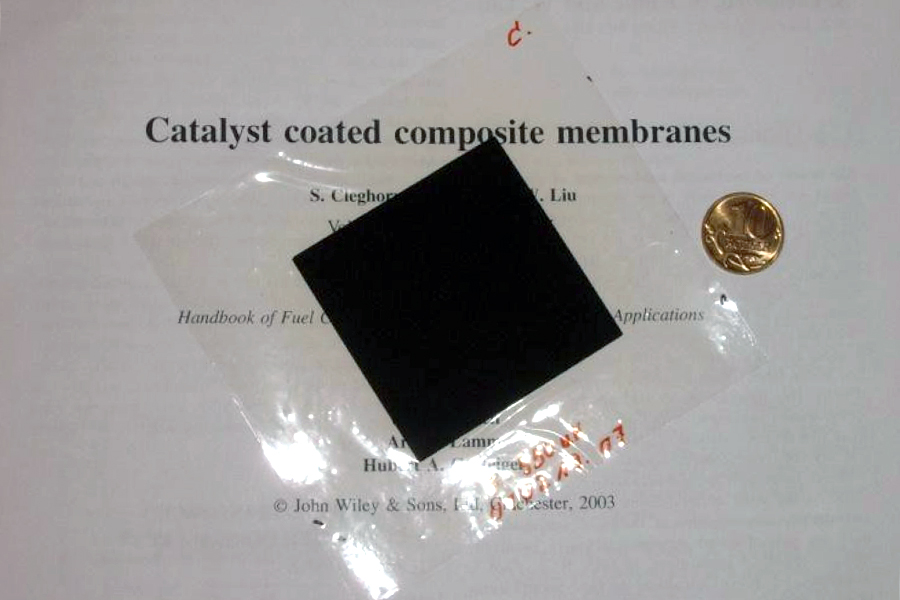
Researchers from the N.S. Kurnakov Institute of General and Inorganic Chemistry of the Russian Academy of Sciences and their colleagues have proposed a new hybrid material for creating proton exchange membranes, one of the key elements of hydrogen batteries. They used the well-known Aquivion polymer as a basis, adding inorganic silica nanoparticles and the cesium salt of phosphoric acid (a compound containing phosphorus and tungsten) to it. These additives perform two important functions at once: they stabilize the membrane structure, limiting its deformation during humidity fluctuations, and significantly increase its efficiency in dry conditions.
Most countries are striving to switch to clean energy, which will help reduce carbon dioxide emissions into the atmosphere. One of the promising solutions is hydrogen fuel cells. These devices, which convert chemical energy into electrical energy, do not produce harmful emissions. As a result, they generate only water and heat in addition to electricity. But in order for this technology to become widespread, scientists need to solve an important problem: to create durable and efficient materials for the manufacture of proton exchange membranes.
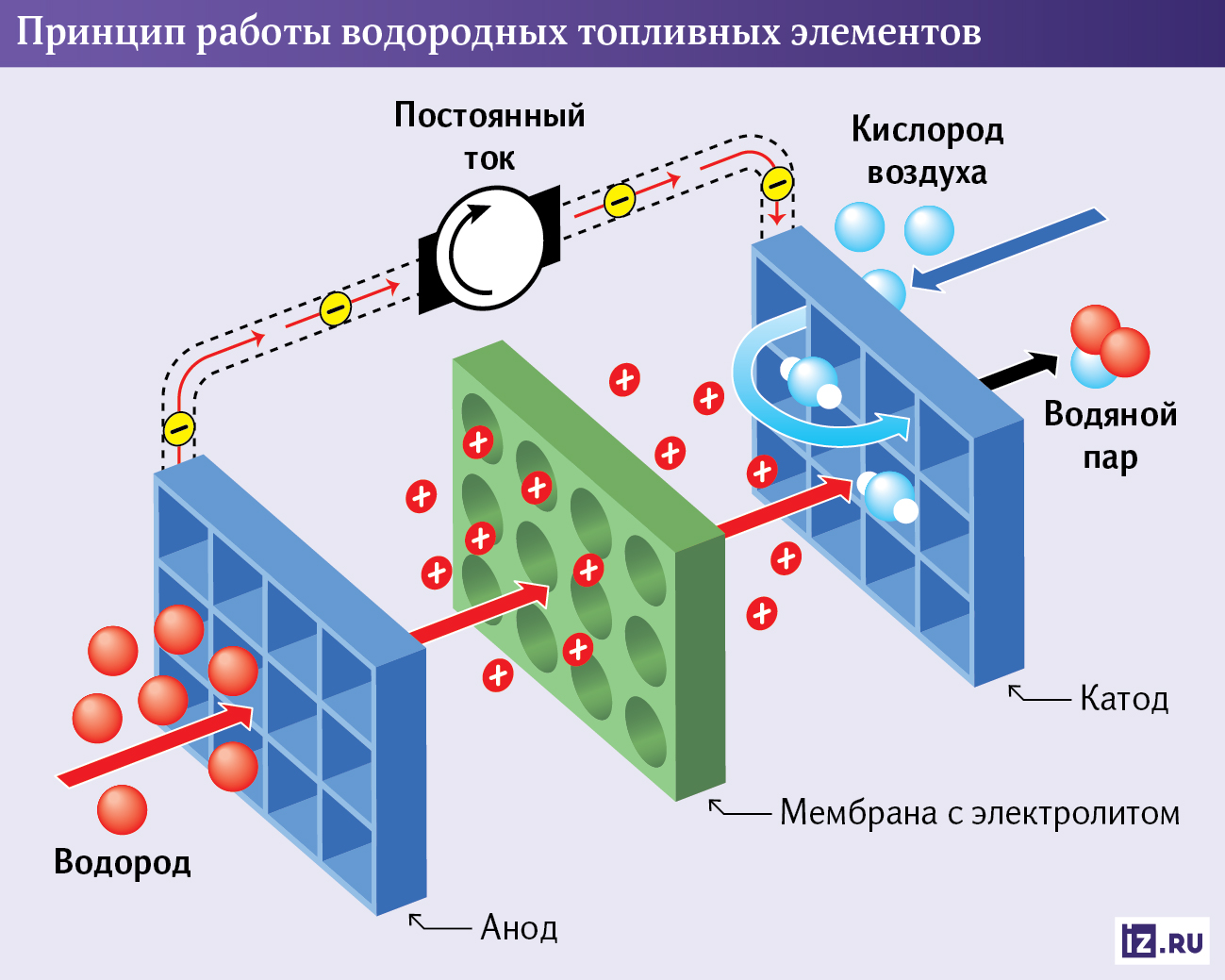
The membranes in fuel cells serve as a separator for hydrogen and oxygen. At the anode (positively charged electrode), hydrogen molecules are split into positively charged particles, protons, which must pass through the membrane to the cathode (negatively charged electrode). There they react with oxygen, resulting in the formation of water, and chemical energy is converted into electricity.
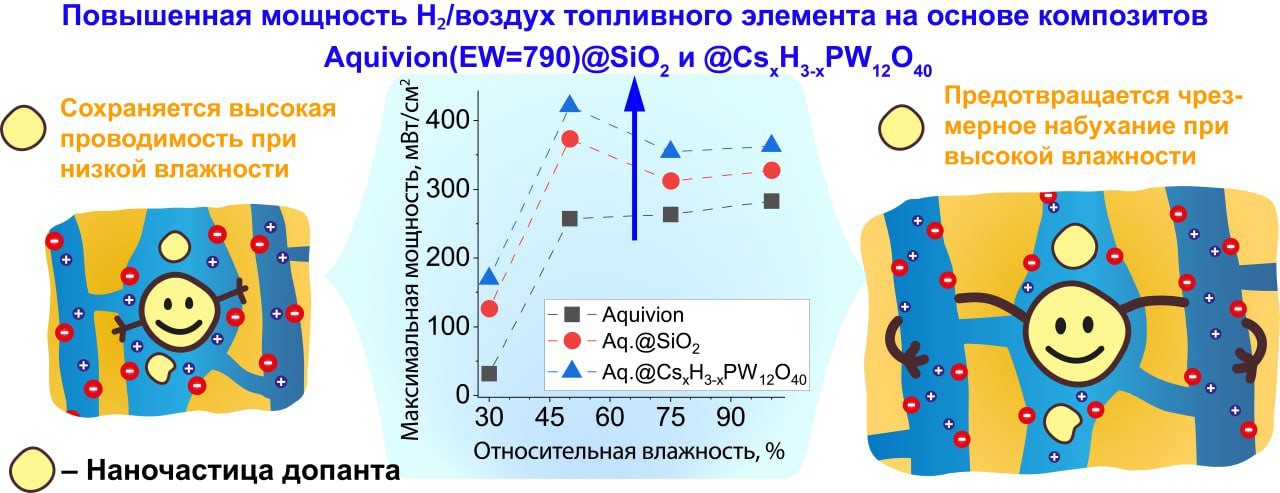
Membranes based on perfluorosulfopolymers, fluorinated and sulfur—containing organic compounds, are currently used. Such materials work well with sufficient moisture, but lose effectiveness when humidity decreases to 60% or lower, due to the fact that protons conduct worse. In addition, they expand and contract when humidity changes, which eventually leads to their destruction. Therefore, scientists are looking for a way to improve the properties of such membranes.
Fuel cells with new membranes demonstrated 3.9–5.3 times more power than their traditional counterparts at low humidity (30%). In addition, the proposed material turned out to be much more stable mechanically — its volume practically did not change at different humidity levels.
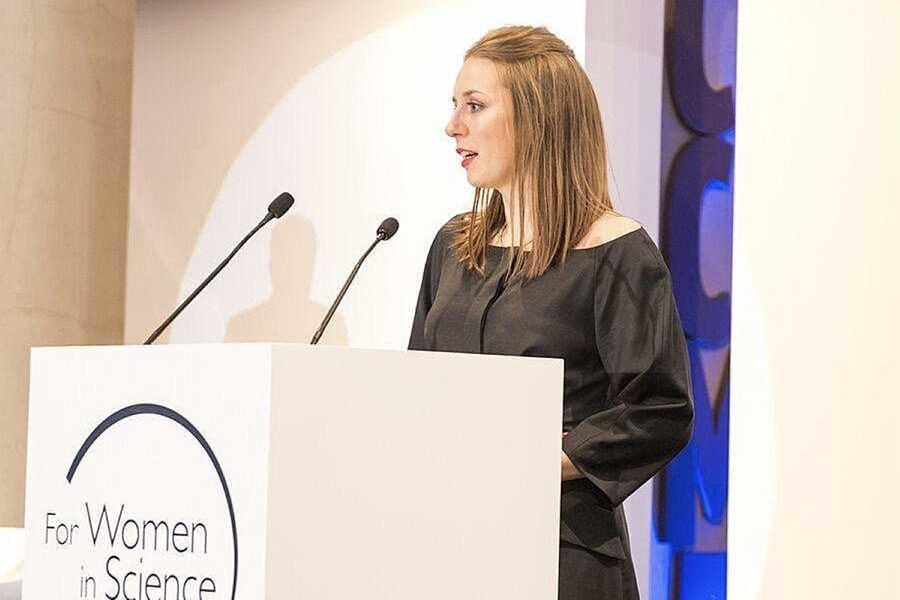
— This is an important step towards creating more reliable and efficient energy systems of the future. Our development can significantly extend the life of fuel cells and increase the power of devices, making hydrogen energy more affordable. In the future, such technologies will help reduce dependence on fossil fuels and reduce the harmful effects on the environment," said Ekaterina Safronova, Doctor of Chemical Sciences, Senior Researcher at the Laboratory of Ionics of Functional Materials at the IONKH RAS.
Green technologies of the future
The authors plan to further improve the characteristics of similar membranes, in particular, to increase their chemical resistance when operating in a fuel cell.
The research is an important step in the transition to environmentally friendly energy of the future, Ilya Shabalkin, a graduate student of the chemical and biological cluster, a junior researcher at the Advanced Engineering School of ITMO University, told Izvestia. It not only demonstrates deep laboratory work, but also raises important applied issues of optimizing the operation of fuel cells in real conditions.
— The new membrane showed 1.5 times more power than the unmodified one at a relative humidity of only 50% — a critical achievement for practical use in mobile and stationary systems where humidity control is difficult. This will make it possible to create more reliable, productive and energy efficient fuel cells and reduce dependence on fossil fuels," he told Izvestia.
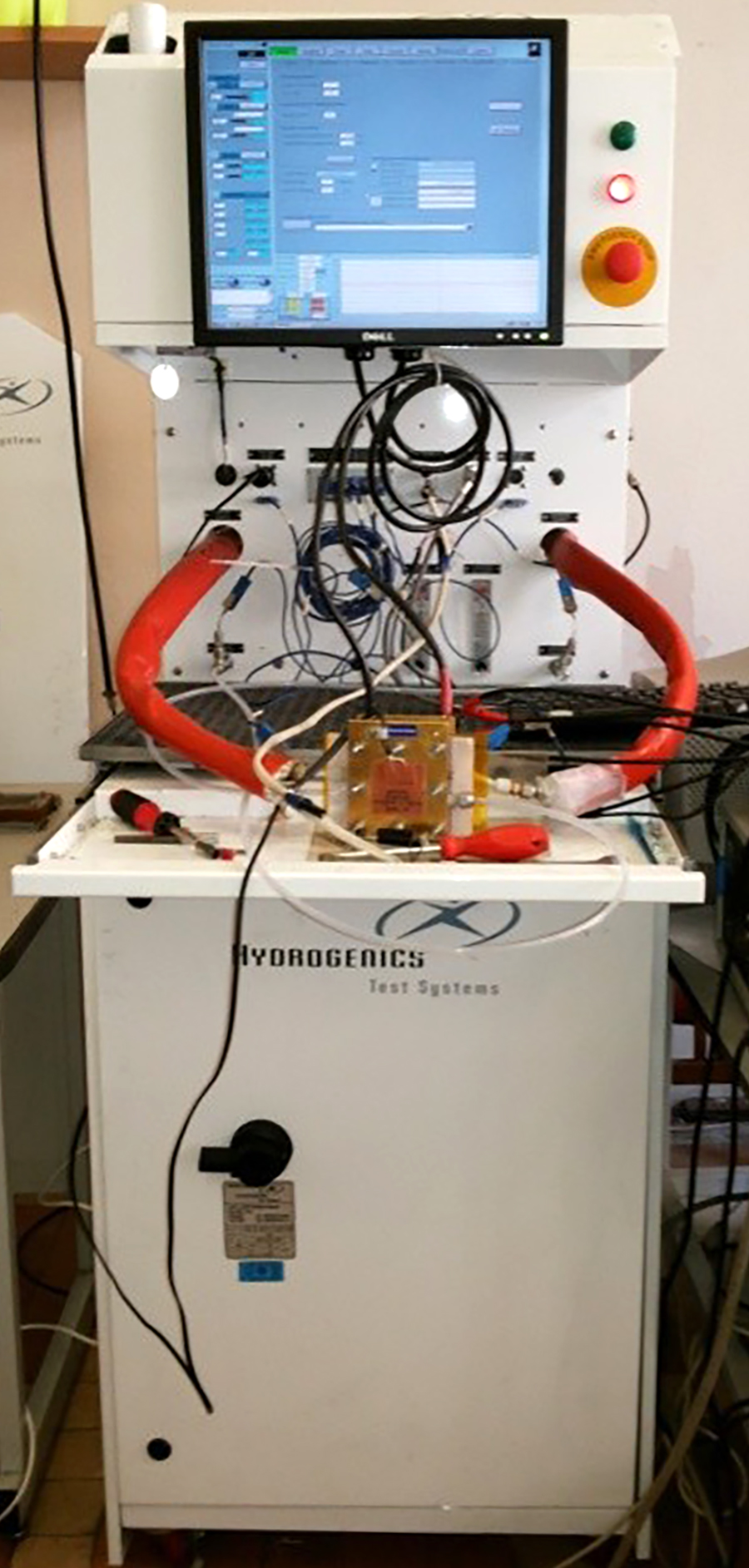
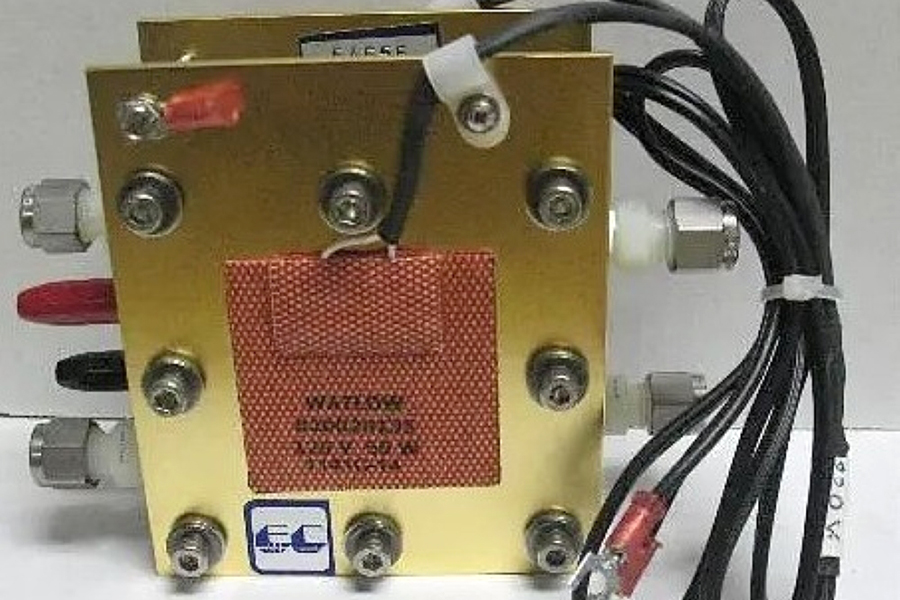
Among the main applications of new fuel cells with a developed membrane, the specialist named hydrogen transport or stationary electrical systems. For example, such cars potentially have a larger range due to the higher energy density of hydrogen per gram compared to diesel or gasoline. In addition, they make less noise due to the presence of an electric motor. Also, such technologies can help reduce the burden on the environment by reducing CO2 emissions, Ilya Shabalkin noted.
— The scope of application of such membranes is air—cooled hydrogen-air fuel cells operating at low humidity or low temperatures. They serve without additional stabilization of humidity and heating, which makes such work relevant. The scope of application of such fuel cells is uninterruptible power supplies and robotics," the expert said.
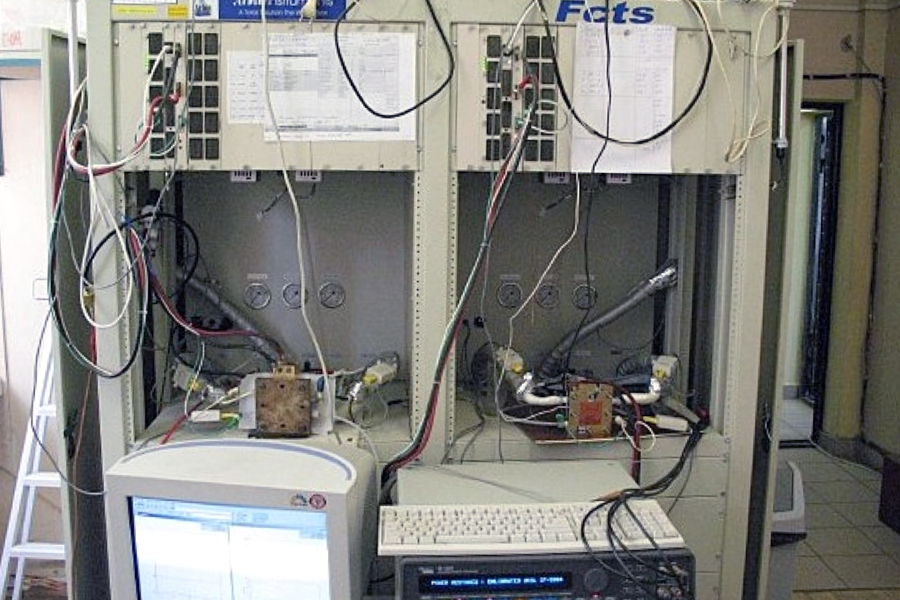
The work was attended by employees of the National Research University Higher School of Economics, the Frumkin Institute of Physical Chemistry and Electrochemistry and New York University in Abu Dhabi. The results of the study, supported by a grant from the Russian Science Foundation (RSF), are published in the International Journal of Hydrogen Energy.
Переведено сервисом «Яндекс Переводчик»
