- Статьи
- Economy
- Pauses have been set: will the United States postpone the resumption of the global trade war

Pauses have been set: will the United States postpone the resumption of the global trade war
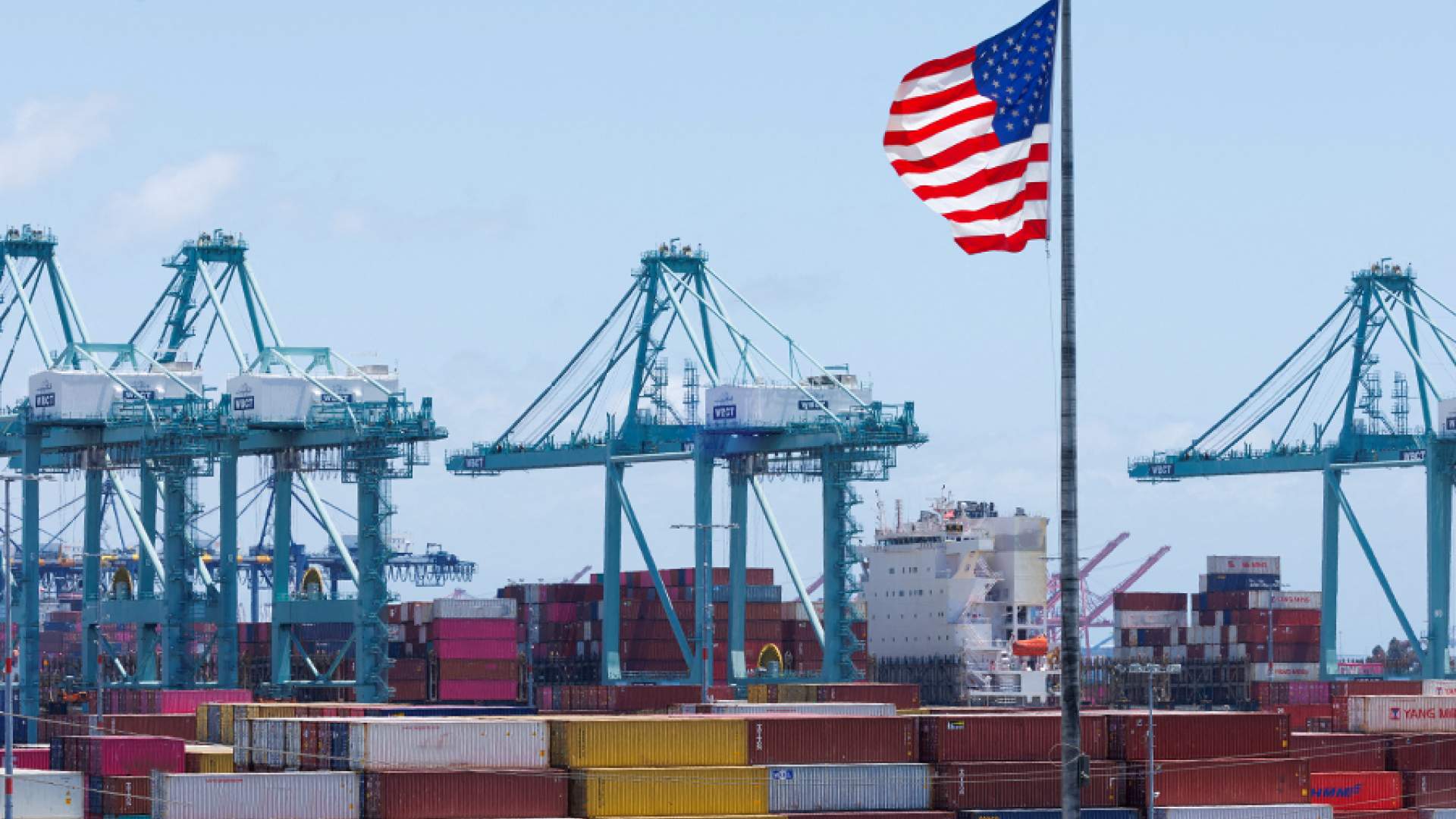
The United States is highly likely to delay the resumption of the global trade war, experts interviewed by Izvestia believe. Most likely, for most countries, for which duties are due to start on August 1, the measures will be postponed for two to three months. From that date, Donald Trump planned to impose tariffs against a number of countries. The base rate will be 10%, but increased tariffs have been announced for many. For the EU, when rejecting Russian oil, the United States agreed to lower the rate from 30% to 15%. The 25% tariff, for example, will apply to goods from Kazakhstan, Malaysia, Tunisia and South Korea. The highest fee, 40%— is set for Laos and Myanmar. How the measures will affect the global economy and Russia is in the Izvestia article.
Will Trump delay the introduction of tariffs on August 1
The American authorities are likely to postpone the resumption of the global trade war again, experts interviewed by Izvestia believe. From August 1, the US president planned to impose duties on a number of countries, including the EU, with more than 70 on the list. Donald Trump has already postponed the entry into force of these measures twice. In April, he announced a 90-day pause, and in early July, he postponed the duties until August 1.
During this time, the American leader sent letters to dozens of countries outlining tariff rates, and after discussion, he actually set individual duties for a number of states, which are scheduled to be introduced on August 1.

The US administration can still change the parameters of these measures, for example, the list of countries that will face higher duties, independent expert Andrei Barkhota believes. Alternatively, you can introduce different tariff levels by product category. In general, for most states, the United States is likely to delay the introduction of duties for 60-90 days, the expert expects. According to him, flexibility on this issue will allow Trump to reach new trade agreements faster and prevent the formation of a single anti-American alliance. For example, he expects to reach an agreement with China in the fall.
Natalia Milchakova, a leading analyst at FreedomFinance Global, and Igor Rastorguev, a leading analyst at AMarkets, are also awaiting a three-month delay in duties. This is quite likely, especially against the background of the fact that the American leader intends to postpone the tariff agreement with China again, this time until November, with which it is not possible to "conclude a deal," Natalia Milchakova explained. However, the US president is so "sudden" that other deadlines are possible, both up and down, she said.

As the deadline of August 1 approaches, it seems that the worst-case scenarios will be avoided, agreed Olga Belenkaya, head of the Macroeconomic Analysis Department at Finam. So far, the tariff changes have been postponed. At the same time, Trump is still thinking about their format. For example, the possibility of setting a global tariff for all pharmaceutical supplies is being discussed, as well as semiconductors.
However, for at least 14 countries, the previously announced duties may come into force as early as August 1. Donald Trump stated this on his Truth Social page on July 30. He stressed that the decision has already been made.

It is unprofitable for the United States to impose high duties on the EU and Japan, since their markets will be used to gain additional strength in the competitive race with China (production, technology, finance, human resources), added Ekaterina Novikova, Associate professor of the Department of Economic Theory at Plekhanov Russian University of Economics. In her opinion, at least for these countries, the postponement of the decision is likely until the beginning of autumn or for a maximum of two months, until October 1.
Initially, Trump announced the imposition of duties against 185 countries in early April. Tariffs for many of the countries on this list were supposed to start working on August 1. The base rate for imports will be 10%, but increased tariffs are provided for a number of countries. For example, starting on August 1, Trump planned to impose duties of 25% for South Korea, Kazakhstan, Tunisia, Malaysia, 30% for South Africa, Bosnia and Herzegovina, 35% for Bangladesh and Serbia, 36% for Cambodia and Thailand, and 40% for Myanmar and Laos.

As a result of the trade deals, rates for some countries were reduced, for example, for Japan (from 25% to 15%) and Indonesia (from 32% to 19%). The United States is also concluding a separate agreement with the European Union: Trump agreed to reduce tariffs from 30% to 15%, and in return, Europe promised to abandon Russian oil and gas supplies and annually purchase $250 billion worth of energy from the United States during the three years of Donald Trump's rule. In addition, duties against China were reduced from 145% to 30%. A "trade truce" is currently in effect between the parties for 90 days, which is due to end on August 12. At the same time, officials from both countries are now seeking to extend the tariff break until November.
The United States wants to impose duties of 500% on countries that do not support Ukraine and buy goods from Russia, Republican Senator Lindsey Graham (listed as a terrorist and extremist in Russia) said at the end of June. These measures are included in the draft law, which also provides for new sanctions (primary and secondary) against our country. The US president announced his intention to impose these restrictions if Russia does not conclude an agreement on Ukraine in 50 days. However, on July 29, he reduced this period for Moscow to 10 days.

Donald Trump also plans to introduce specific tariffs on aluminum, steel, and automobiles — they are regulated by separate decrees and are not always "superimposed" on the usual rates (for example, tariffs on aluminum/steel reach 50%). In addition, Mexico and Canada have exceptions for certain product categories. It is assumed that they will not be subject to Trump's new duties.
How will the introduction of US duties affect the economy
The duties will certainly lead to a slowdown in global economic growth and increased trade disagreements, warned Olga Gogaladze, an economist and expert on financial markets. Even 10% universal tariffs can reduce global GDP by about 1%, with a higher rate — up to 2%, and in some sectors — cause recession and rising inflation in many countries, she added.
— First of all, agricultural exporters, the automotive industry, mechanical engineering and the consumer sector will suffer due to lower exports and higher prices of raw materials. Higher tariffs on China and the remaining 15% for the EU will limit investment and create risks for global supply chains, Olga Gogaladze believes.
The introduction of tariffs could reduce the growth of global trade by 0.6 percentage points in 2025, slowing down overall GDP growth by 0.4–0.6 percentage points, said Denis Astafyev, entrepreneur, fund manager and founder of the SharesPro fintech platform. At the same time, he continued, inflation, on the contrary, may jump.

The imposition of duties on Russia may affect through a decrease in global demand for oil, metals and other raw materials and lead to a decrease in budget revenues by about 0.2–0.3% of GDP (about 600 billion) and add only about 0.1 percentage points to inflation, Denis Astafyev admitted. So far, neither the ruble nor inflation expectations have noticeably fluctuated against the background of this rhetoric, he stressed.

Russia may still indirectly suffer from the consequences of Trump's tariffs, as the share of imports in the Russian market is still high, said Natalia Milchakova from FreedomFinance Global. However, the increase in duties may mainly affect individual markets and goods, the expert believes.
— These duties will not affect the revenues of the Russian budget in any way, since Russia has reduced its exports to the United States to almost the lowest possible level. The ruble will fall in price anyway, but, again, not because of Trump's duties, but rather because of a reduction in the key rate and a possible increase in inflation, she believes.
The dollar exchange rate may rise to 95 rubles by the end of the year, Natalia Milchakova admitted. However, Russia's macroeconomic indicators do not look the weakest, and after lowering the key rate, they will begin to improve, the analyst concluded.
Переведено сервисом «Яндекс Переводчик»
