Scientists talked about the health effects of ultra-processed foods

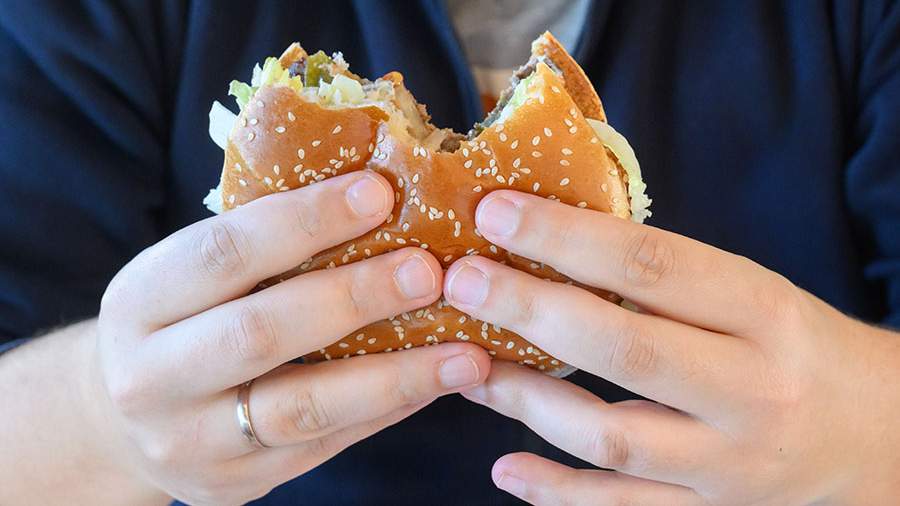
Consumption of ultra-processed foods (UPF) continues to rise, despite warnings from scientists about the health risks. Studies have shown that UPF is strongly associated with obesity, cardiovascular disease, and diabetes. This is stated in the material of the journal Nature Medicine, which was reviewed by Izvestia on July 29.
"Like many people, at first I considered ultra-processed foods to be another fashionable synonym for "junk food." But now more and more research shows: It's not just fast food," says Sam Dicken, a scientist at University College London.
Studies have shown that participants who ate only ultra-processed foods consumed an average of 500 calories per day more than on a regular diet. In two weeks, they gained almost 1 kg of weight. In addition, they had decreased levels of the hormone PYY, which suppresses appetite. Dicken emphasized that "the energy density of such products is one of the main factors of their harm."
It is specified that daily consumption of UPF increases the risk of cardiovascular diseases by 7%. Links have also been established with hypertension, sleep disorders, obesity, anxiety, and dementia.
"Food companies are actually developing products that make you overeat, even though obesity is our main health problem," says Jerold Mande, CEO of the Nourish Science organization.
Minyana Sun, an epidemiologist and nutritionist from the Harvard School of Public Health, emphasized that ultraprocessing is not just a technological technique, but a change in the structure, composition, and even chemical properties of foods. At the same time, there is no unity among scientists.: According to Christopher Gardner, a nutritionist at Stanford University, the category of ultra-processed foods remains too vague.
Despite this, some countries have begun to implement government policies to limit ultra-processed foods. In Brazil and Israel, they are not officially recommended for consumption, and in Chile and Mexico, manufacturers are required to place warning signs on packages.

Evgenia Melnikova, a gastroenterologist at SM Clinic, spoke on June 3 about the dangers of eating ice cream and lemonade in the heat. According to her, this delicacy has a high proportion of fat and sugar, which can harm the health of those who have chronic diseases of the gastrointestinal tract.
All important news is on the Izvestia channel in the MAX messenger.
Переведено сервисом «Яндекс Переводчик»
