The Guardian reported on tons of algae from Asia on the coast of Spain

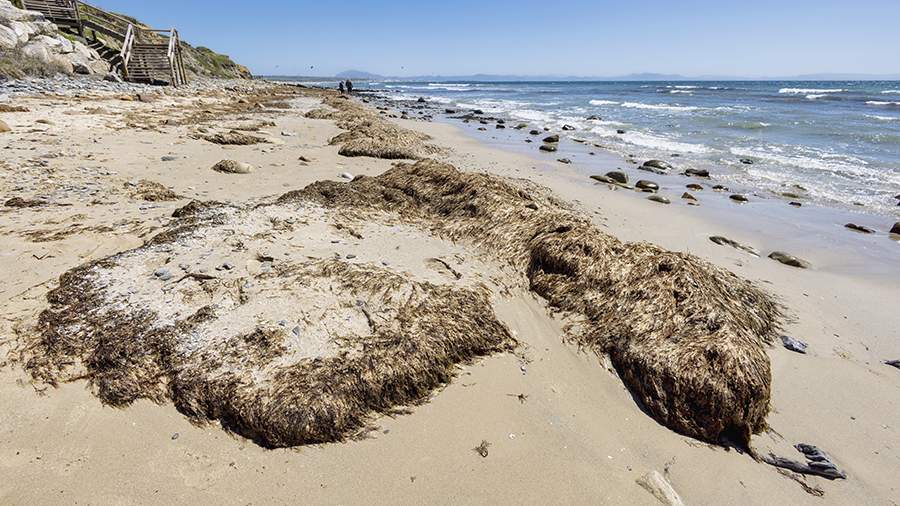
Seaweed from Southeast Asia continues to accumulate on the beaches of southern Spain and the Strait of Gibraltar, raising concerns among scientists and authorities about a large-scale threat to the region's biodiversity. This was reported on July 27 by the British newspaper The Guardian.
"Since May, the local authorities of Cadiz have removed 1,200 tons of Rugulopteryx okamurae algae from La Caleta, the city's most popular beach, including 78 tons in one day," the material says.
As specified, the algae entered the region, presumably through the ballast tanks of ships passing through the Suez Canal, and over the decade spread along the southern coast of Spain, the Canary Islands, the Azores Archipelago and further north into the Cantabrian Sea and the Basque Country.
In addition, the economic consequences have already become noticeable. Tourist areas such as Cadiz and Tarifa were affected, where algae interferes with surfing and swimming. Fishing has also been damaged — algae clogs nets, displaces oxygen from the water and leads to the death of marine organisms.
Scientists consider the loss of biodiversity to be the most alarming. Many native plant species have already been displaced on La Caleta Beach. The algae is firmly attached to rocks, drifts freely and has no natural predators in the region. Due to its ability to reproduce sexually and asexually, as well as to absorb toxins, this species is almost impossible to destroy.
Reuters reported on July 23 that a large-scale toxic algae bloom off the coast of South Australia has destroyed hundreds of species of flora and fauna and disrupted local tourism and fishing. It is specified that oyster and mussel farms have closed due to the bloom, and more than 13.8 thousand dead marine life can be seen on the ocean surface.
All important news is on the Izvestia channel in the MAX messenger.
Переведено сервисом «Яндекс Переводчик»
