Why is Barack Obama called the main culprit of the Rashagate? Analysis

The United States has declassified a report on "Russian interference in the American elections." Earlier, the FBI investigation, dubbed Rashagate, was criticized by Special Prosecutor John Durham, as no evidence of Russian interference was ever found. Why this topic has resurfaced in the US information field and who might benefit from it is discussed in Izvestia.
Return to Rashagate
• Tulsi Gabbard, the head of the US National Intelligence Service, released the case data on Russian interference in the American elections. Declassified intelligence letters from 2016 reveal a conspiracy to defraud intelligence officials of the Obama administration. According to Gabbard, former US Presidents Barack Obama and Joe Biden, as well as former CIA Director John Brennan and former FBI Director James Comey, deliberately deceived the public, knowing in advance that there were no facts confirming Trump's connection with the Kremlin or interference in the electoral process by Russia.
• Allegations of ties to Russia allowed the Democrats to organize an entire campaign to spy on US President Donald Trump during his first term. Publications in the liberal press formed a negative public opinion about the president, and the courts blocked his legislative initiatives. The White House said that Trump and his associates had been subjected to years of harassment based on falsified intelligence data.
• Returning to the topic of Rashagate may be a workaround, as it occurred against the background of demands from Democrats and Republicans to make public the Jeffrey Epstein case. The investigation into an American financier suspected of pedophilia and human trafficking has been terminated due to his death. But publishing the materials can have a disastrous effect on the reputations of famous and influential people, including Trump, whose names are mentioned in the documents. Former US President Joe Biden also did not dare to publish the "Epstein dossier" at the time.
A blow to the Democrats
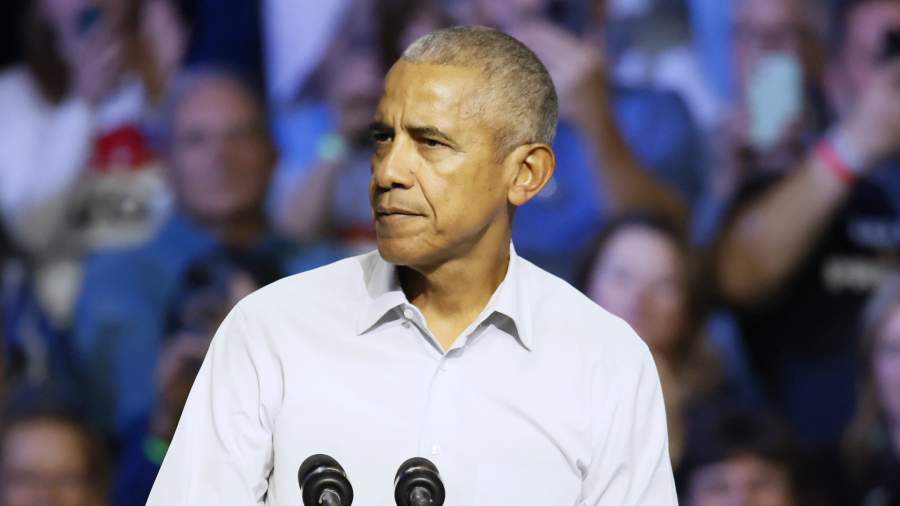
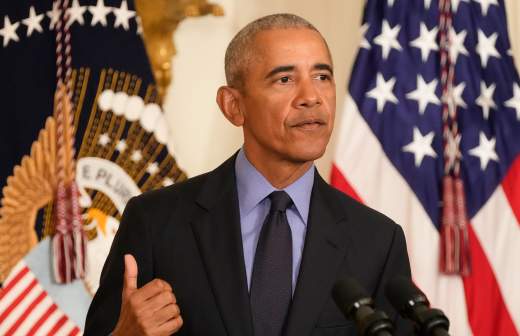
• Discrediting Obama could cause more serious damage to the Democrats. He is now the most influential figure among the Democrats, and therefore could have been chosen as the target of a new investigation. So far, the Trump administration has built its image on contrasting its activities with the major failures of the former US leadership, but Joe Biden's reputation has previously been undermined by suspicions about his mental health and the investigation of corruption schemes involving his son.
• Despite the fact that the liberal agenda still dominates in the American press, the US Democratic Party has experienced a record drop in ratings over the past 35 years. A CNN poll showed that the party's support at the beginning of July was only 28%. According to a Wall Street Journal poll, 63% of voters negatively assessed the Democrats' activities.

• Republicans in the Senate have already demanded an investigation into Obama's intelligence activities related to suspected election interference. Experts do not rule out possible criminal prosecution against those involved in the falsification of the Rashagate materials, since their activities were in the nature of high treason: in Gabbard's formulation, it "led to the usurpation of the will of the American people." At the same time, Barack Obama is unlikely to incur any serious punishment, since he, as the former president of the United States, is subject to political immunity.
• At the same time, some analysts believe that Trump will not go through with the investigation of the Rashagate. Making public the role of the FBI leadership in falsifying intelligence materials could deal a devastating blow to the reputation of the federal bureau, and the Trump administration relies on the FBI in its activities.
The Rashagate effect for Russia
American hawks call two countries, Russia and China, an existential threat to the United States. The choice of Russia as the target of the trumped-up case is explained by the fact that the United States has stronger economic ties with China and does not risk spoiling relations with it. In addition, distrust of Russia was formed during the decades of the Cold War, so it was not difficult to convince voters of the legend of "Russian interference."
Russia's false accusation of interference in the American elections has cost the United States economic sanctions and persecution of Russian citizens abroad. One of the victims of the Rashagate was politician and public figure Maria Butina, who allegedly tried to organize a secret meeting between Trump and Russian President Vladimir Putin. On July 5, 2018, she was arrested by the FBI and spent 18 months in custody. Butina's lawyer, Robert Driscoll, called the case against his client "meaningless" because there were no signs of espionage.
• Even if the Trump administration launches an investigation into the falsification of the Rashagate, there is no reason to expect that the sanctions previously imposed on Russia will be lifted and the cases brought against the Russians will be reviewed. The White House needs to return to Rashagate first of all to solve its domestic political issues and to fight the "deep state" that prevents Trump from pursuing his policies.
• The most serious consequence of the Rashagate was the rupture of Russian-American relations, including cooperation in curbing the proliferation of weapons. Now there are certain signals that the parties can outline ways out of this deep crisis. But the way the investigation is being handled in the United States is not encouraging: the Trump administration claims that Russia allegedly supported Hillary Clinton's candidacy in the 2016 election and planned to release compromising information about her if she won in order to destabilize the situation in the United States.
During the preparation of the Izvestia material, we talked and took into account the opinions of:
- Lev Sokolshchik, a leading researcher at the Center for Comprehensive European and International Studies at the National Research University Higher School of Economics;
- Mikhail Sinelnikov-Orishak, an American political scientist;
- American political scientist and journalist Garland Nixon;
- American political scientist Malek Dudakov;
- Dmitry Drobnitsky, an American political scientist.
Переведено сервисом «Яндекс Переводчик»
