The expert spoke about the reasons for the increase in Brent oil prices

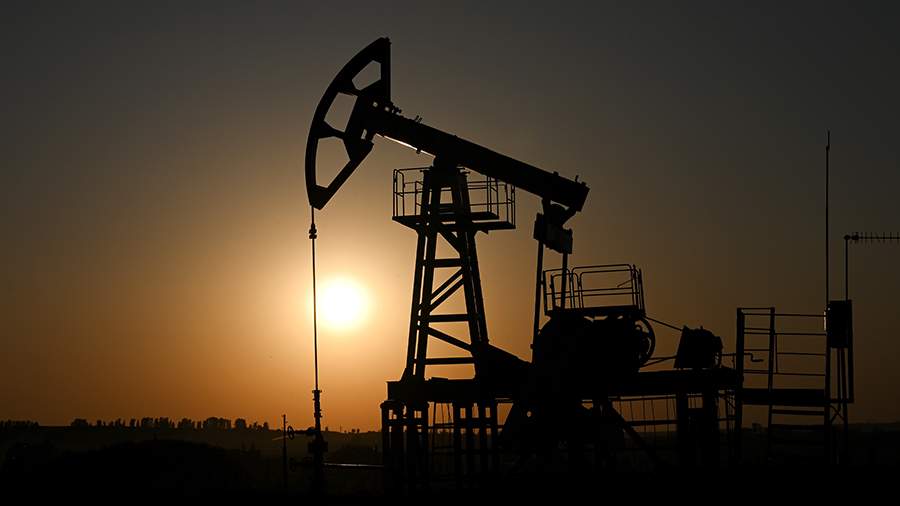
The main catalyst for the increase in the price of Brent crude oil was the progress in trade negotiations between the United States, the EU and India, rather than the reduction of reserves in the United States. This was announced to Izvestia on July 25 by Evgeny Shatov, partner of Capital Lab.
"As you know, the United States has signed a deal with Japan, and negotiations with the EU are nearing completion. India is waiting for an agreement with the United States by August 1 to avoid duties of 26%. All this has reduced concerns about a slowdown in the global economy and supported optimism about oil demand," he explained.
The expert added that the data on the decline in stocks in the United States did not become a key factor. The positive signals in the market outweighed them, even against the background of an increase in supplies from Venezuela. According to Shatov, two main scenarios are likely in the short term.
"With a probability of 60-70%, the oil market expects moderate growth ($70-72) with the successful signing of the US–EU and US–India agreements by August 1, which will strengthen confidence in global demand. At the same time, oil may receive support from OPEC+: the alliance countries may suspend plans to increase production (for example, beyond the planned 411 thousand barrels per day) in order to stabilize prices," he said.
An alternative scenario is the disruption of trade deals. According to Shatov, oil prices are likely to decrease by 30-40%. If negotiations with India or the EU fail, the price may fall to $66-67 due to fears of a recession and lower demand. In addition, an increase in production in Venezuela (after the issuance of a license to the American company Chevron) and OPEC+ countries "will create a market surplus of up to 820,000 barrels per day in 2026, putting additional pressure on prices. And finally, a tightening of the Fed's monetary policy or a slowdown in China's economy may cause a correction to $65-68."
The expert added that an increase in oil prices will lead to higher prices for fuel and logistics — rising prices for gasoline and diesel will directly hit the pockets of car owners and increase business costs in segments such as transport and delivery. In addition, inflationary pressure in the economy will increase, since oil is a component of the cost of many goods — plastics, chemicals, building materials. Its rise in price may slow down the decline in inflation in the EU and the United States.
"For oil exporters (Kazakhstan, Russia), rising prices will support national currencies, while for importers (India, Turkey) it is likely to lead to a weakening of national currencies and an increase in inflation...> The dynamics of oil prices in August will be determined by statements on trade agreements on July 31 — August 1 and EIA data on oil reserves in the United States," Shatov concluded.

Igbal Guliyev, Dean of the MGIMO Faculty of Financial Economics, Doctor of Economics, told Izvestia on July 24 that global oil prices had shown growth, helped by fresh data on oil and petroleum products reserves in the United States. These statistics indicate the continued high demand in the summer season, which has become a key driver of the increase in quotations.
All important news is on the Izvestia channel in the MAX messenger.
Переведено сервисом «Яндекс Переводчик»
