A special Russian holiday on July 26th — Gavrila Leters: history, traditions, omens
- Новости
- Local news
- A special Russian holiday on July 26th — Gavrila Leters: history, traditions, omens

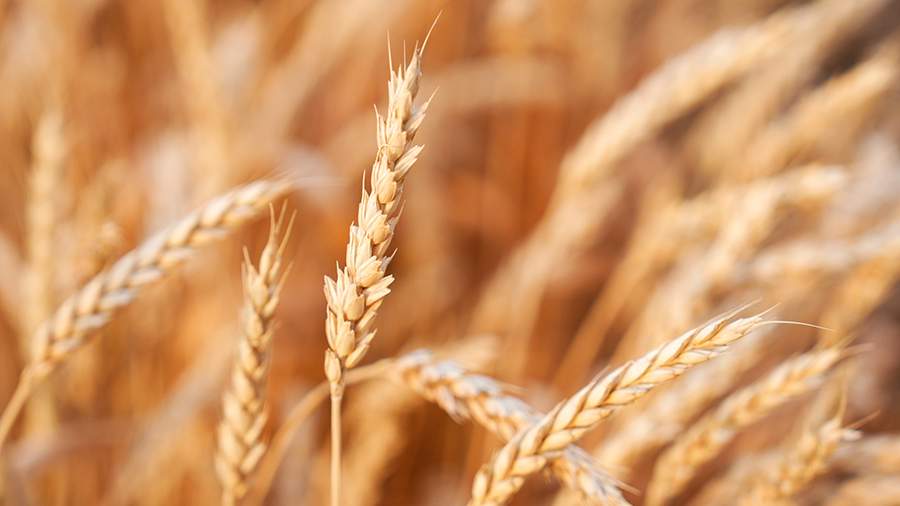
Every year on July 26, Orthodox believers remember one of the seven highest angels, revered for the news of the birth of Jesus Christ. In the church tradition, the holiday is called the Cathedral of the Archangel Gabriel, in the national calendar — Gavrila Summer, or Gabriel's Day. In 2025, it falls on a Saturday. Read about the history of the memorable date, its traditions, prohibitions and omens in the Izvestia article.
Cathedral of the Archangel Gabriel — church holiday on July 26
In the Orthodox tradition, Archangel Gabriel occupies a special place, he is called the messenger of the will of the Almighty, the bearer of sacred revelations and the guide of the Divine plan. The name of the archangel, derived from the Hebrew "Gabriel," translates as "The Power of God" or "The Most High is my fortress," reflecting his spiritual mission.
According to church tradition, Archangel Gabriel repeatedly acted as an intermediary between God and people. It is believed that it was he who inspired Moses to expound the Book of Genesis, told the prophet Daniel about the fate of the people of Israel, informed Anna about the imminent birth of her daughter, who became the Mother of God, and brought the Virgin Mary the news of the future birth of Jesus Christ.
Gabriel accompanied the Virgin throughout her earthly life and warned Joseph the Betrothed about the threat from King Herod. During the time of the gospel events, the archangel strengthened Jesus in the Garden of Gethsemane before his sufferings, and then appeared to the myrrh-bearing women to announce his Resurrection to them.

Two Orthodox holidays have been established in honor of the archangel: April 8, the day associated with the Annunciation, and July 26, the day called the Cathedral of the Archangel Gabriel. The latter is dedicated not only to the deeds of the heavenly messenger, but also to a significant event — the consecration of the temple in his honor, built in the XVII century in Constantinople.
On Orthodox icons, Gabriel is depicted with symbols of purity, light and Divine revelation — a blooming branch, a lily, a mirror or a burning lamp. His face can be seen on the north doors of the iconostases as a sign of eternal service and connection with the Divine word.
For Orthodox believers, Archangel Gabriel is an intercessor and a guide. It helps to find peace of mind, get rid of worries and doubts, strengthen faith and find the right way of life. They also turn to him with prayers for the gift of children and the preservation of family well-being.
Traditions of the national holiday of Gavrila Summer on July 26
The popular veneration of the archangel is closely intertwined with peasant life. In the midst of harvest and haymaking, Gabriel was perceived as the heavenly patron of fields and righteous labors. According to legend, on this day he walked through the grain fields, blessing the harvest.
On the holiday, special attention was paid to prayer and order — Gabriel is considered the guardian not only of faith, but also of work, discipline, and purity of thought. Also, according to ancient beliefs, the archangel has the gift of guiding on the right path, healing internal wounds and strengthening mental strength. People turned to him for help in difficult moments of their lives.
Labor was perceived as a form of gratitude and reverence for the archangel, who, according to popular beliefs, especially patronizes diligent and conscientious people. Therefore, from the very morning, the ancestors went to the field, working until sunset. In Russia, there was even a saying: "While the ear is in the field, work long hours." In addition to the church, believers offered prayers to Gabriel right on the mown plots — they asked the archangel for help in harvesting, as well as crop protection. The peasants had a custom of leaving a loaf of bread in the field as a sign of gratitude and hope.

The ancestors believed that on this day, special attention should be paid to the little things. It was believed that every action should be meaningful. On July 26, it was customary in Russia to bake homemade pies and distribute them to those who needed food and care. It was believed that the generosity shown would return in the form of well-being and peace in the house.
What not to do on the feast of St. Gabriel the Summer
In the folk tradition, the day of the Archangel Gabriel was associated with purity of thoughts and harmony in the family, so it was strictly forbidden to quarrel, especially with relatives. Any conflict that arose on this holiday, according to beliefs, could drag on. The ancestors paid special attention to honesty. Lies, gossip and unkind words were perceived as a source of trouble — in Russia they believed that all the negativity would surely return magnified many times.
Also, on Gabriel's Day in Russia, it was forbidden to be lazy. Refusing to work was perceived as disrespectful to the patron saint of the fields. Bread was especially strictly treated — it was forbidden to throw away crumbs, step on the grain or allow it to spoil. Leftovers were fed to birds or cattle.
Care was taken at the table to avoid sharp corners — rounded objects were placed on them or covered with a tablecloth to avoid quarrels. It was believed that such measures help to maintain peace and tranquility in the house. It was forbidden to brag, discuss personal relationships, or be stingy.
On St. Gabriel's Day, they tried not to go to the sauna, it was believed that hot water could wash away a person's luck and take away well-being from home.

It was undesirable to stumble on the threshold of the Summer Gavril — such a sign was considered a warning about possible material or personal losses.
Folk signs for July 26
On July 26, in Russia, they observed the sky, birds and ears of corn — they judged the weather, the harvest, and even fate. The warm and clear weather promised a dry and favorable autumn. Heavy rain was considered a bad sign for the future harvest. The evening midges foreshadowed an abundance of mushrooms, and the early departure of bees meant a clear sky. Birds gathering in flocks promised early autumn. The night sky with bright stars promised good luck, especially to those who worked honestly and silently.
Earlier, Izvestia told when and how the feast of the icon of the Mother of God of the Trinity is celebrated in Russia.
Переведено сервисом «Яндекс Переводчик»
