Russians were warned about fraud with free diagnostics of equipment

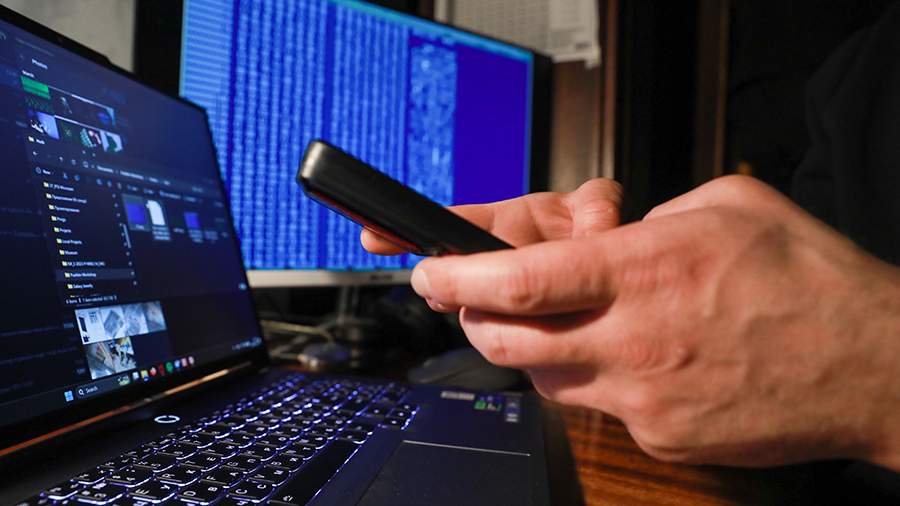
Fraudsters can pose as repair technicians and extort money from customers under the pretext of free diagnostics of equipment. This was announced at the Roskachestvo Digital Expertise Center on Friday, July 18.
On social networks or on online flea markets, attackers place ads for free diagnostics of equipment. They offer interested clients an online consultation.
"To do this, the victim is persuaded to install a remote access program," the experts said. "Having gained control of the computer, the attackers either steal valuable data or install malicious software," Roskachestvo said in an interview with Lenta.Ru .
There are also options when, after a free diagnosis, fraudsters can report serious malfunctions and offer a list of parts that need to be replaced. They will be offered to purchase them on the website with a large personal discount. The link to this site often turns out to be phishing, experts warned.
The third scheme is the disassembly of equipment "for diagnostics" with the subsequent demand for payment for assembly.
In addition, fraudsters can intentionally damage parts, the computer's operating system, or programs during the "free" diagnostics process in order to create the need for expensive repairs or reinstalling.
In order not to become a victim of fraudsters, Roskachestvo advised contacting only trusted service centers that have been operating for years and have positive reviews, as well as paying attention to the availability of a service agreement.

Earlier in the day, it became known that VTB experts were recording an increase in fraud related to promises of full debt relief in banks. 360.ru . The most common schemes were non-existent loan cancellation programs, fake accelerated bankruptcy services, and offers from anti-collectors.
Yesterday, VTB reported that it had recorded a record growth in online insurance. Mortgage insurance has become the leader in demand. In second place is CTP. Tick bite insurance took the third place in popularity, and fraud insurance became another popular policy, according to the website. kp.ru .
On July 16, the experts of the "Call me Back" project gave advice on how to protect against deepfakes. They noted that it is possible to recognize a deepfake if the call did not come from the subscriber's usual number. You also need to consider the manner of communication. An attempt to intimidate, evoke strong emotions, force prompt decision-making and other methods of psychological pressure may indicate the actions of an attacker, the Moscow City News agency reports. To find out if a call has been received from a relative or friend, you should contact the subscriber in another way to clarify the details.
In addition, when answering a suspicious call, you do not need to say "yes", "I agree", "I confirm". Criminals can record the moment of uttering these words, and then use them to confirm any operations on behalf of the deceived person.
On July 11, VTB warned that fraudsters began forcing Russians to leave money in mailboxes under the pretext of "protecting savings," RT reports. Scammers call citizens, posing as employees of a bank or law enforcement agencies, convince them of the threat of embezzlement of funds and the need to urgently "save" money by putting it in the mailbox. After the victim fulfills the requirement, the criminals open the box and take the money.
Переведено сервисом «Яндекс Переводчик»
