- Статьи
- Internet and technology
- Cold calculation: how scammers speculate on the topic of air conditioners in the summer

Cold calculation: how scammers speculate on the topic of air conditioners in the summer
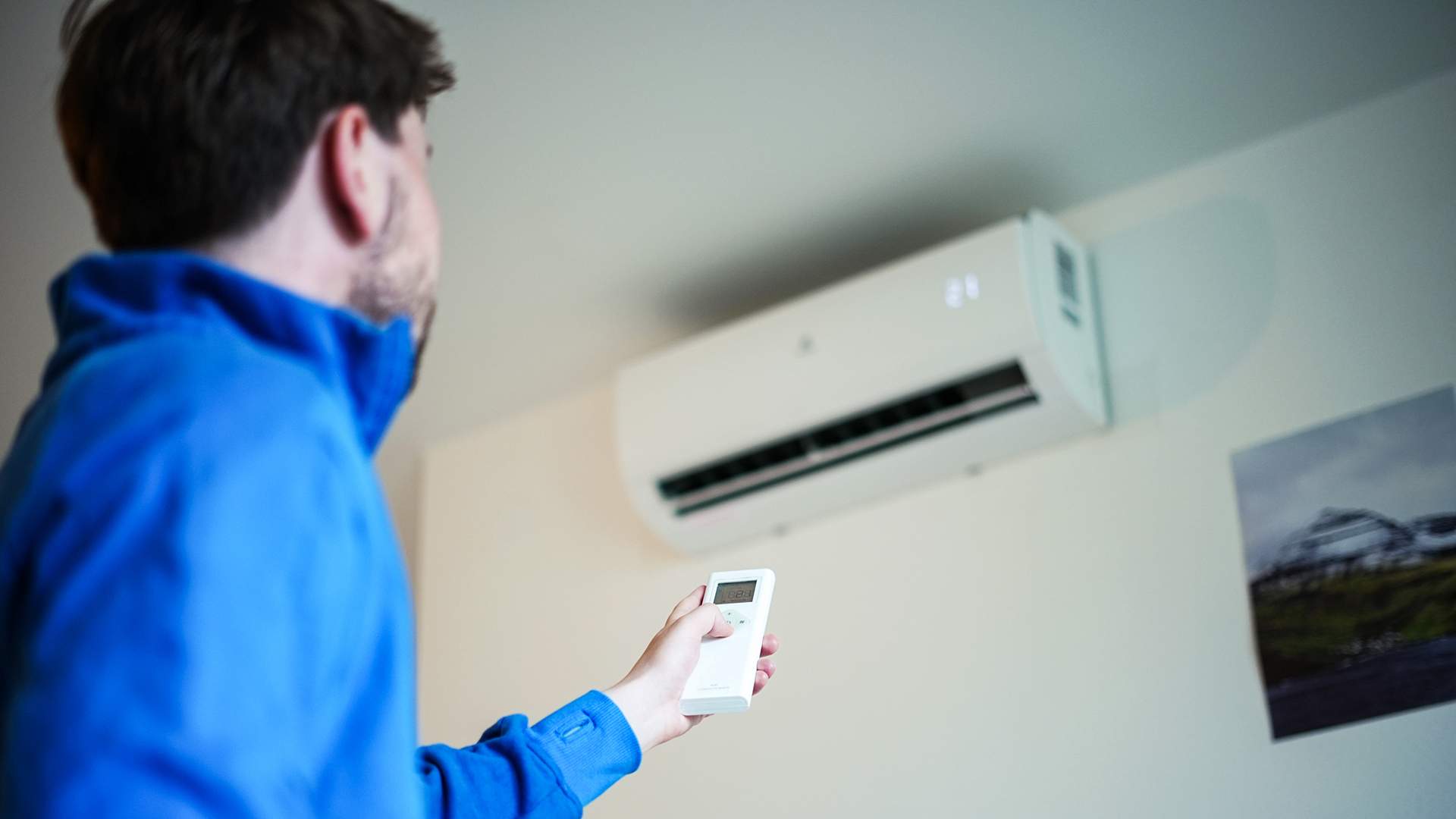
With the onset of the summer heat, fraudsters are activating schemes to deceive Russians, one way or another related to air conditioners, experts have warned about this. The demand for both installation and maintenance of climate technology increases dramatically by the middle of summer, and with it the willingness of people to make quick decisions, which is used by intruders, is growing. For more information about how scammers speculate on the topic of air conditioners in the summer, how their schemes work and how to protect themselves from them, read the Izvestia article
Why is the topic of installing air conditioners interesting to scammers
Fraudsters, when developing seasonal deception schemes, focus on the "pain" of potential victims. According to experts, the heat is one of these irritants, and the surge in demand for air conditioners and fans is as predictable as the rush with flowers before March 8. Hackers are closely following the news, and with the onset of the summer season, demand for the purchase and installation of air conditioners generates traffic that fraudsters are trying to channel into their schemes, experts say.

In the summer months, air conditioners are quickly sold out, prices for them are rising, and there may not be enough air conditioning equipment in stores, says Alexandra Shmigirilova, GR director of the Security Code Information Security company. Against this background, the attackers offer low-cost air conditioners with fast delivery to deceive people. When everyone urgently needs coolness, many are ready to overpay or believe in an overly profitable offer — and fall for the tricks of scammers.
It is also important that many modern air conditioners are equipped with elements of the Internet of Things (IoT) and are connected to Wi-Fi, adds Nikolai Dolgov, cybersecurity expert at Angara Security. This means that air conditioners can become not only a reason to deceive consumers during installation, but also an entry point into the home digital infrastructure.

What fraud schemes on the subject of air conditioners to expect in 2025
In 2025, cybercriminals speculating on the topic of air conditioners may create fake websites of popular online stores, courier services, ad services and specialized services for finding craftsmen. If the user agrees, for example, to make an advance payment for the goods or services of the wizard on such an unverified resource, then after entering the bank card data, money will be debited from his card.
Most likely, scammers will use the usual schemes that are used when there is a high demand for goods: offers via messengers and social networks with big discounts and fast delivery, explains Alexandra Shmigirilova. The attackers provide links to fake websites and use payment mechanisms such as QR codes and forms to enter personal and financial information.

The limited time to make a purchase decision does not give people the opportunity to think about the real need to provide such information, the specialist notes. At the same time, according to Sergey Polunin, head of the IT infrastructure solutions protection group at Gazinformservice, modern technologies like AI generation of voice messages can become auxiliary tools in the "climate" schemes of fraudsters.
— Do not forget that scammers can also pose as service engineers, — says Nikolai Dolgov. — Such "specialists" offer maintenance or "mandatory inspections" of equipment, especially if it is connected to a smart home. After a visit by intruders, theft of property, installation of malicious devices, or extortion are possible.
What schemes of scammers on the subject of air conditioners have you encountered before
Among other possible threats related to fraud schemes on the topic of climate technology, Nikolai Dolgov identifies virus campaigns through smart air conditioners in the case of hacking IoT devices as an element of an attack on Wi-Fi networks at home. This is especially dangerous for apartments where other IoT components are installed: cameras, sensors, voice assistants.
"Another option is phishing under the guise of "warranty notices" or "software updates" for air conditioners," the source tells Izvestia.
At the same time, the "climate" schemes of fraudsters have already been encountered before. In particular, according to Nikolai Dolgov, the attackers arranged fake SMS and emails with offers of "urgent cleaning of the air conditioner" from fake service centers. Cybersecurity experts also recorded ads for the sale of used air conditioners at discounted prices, requiring full or partial prepayment.

In addition, fraudulent schemes had previously been encountered in which people posing as installers came to work addresses, received advances for installation and disappeared, and hacked smart air conditioners using vulnerabilities in the firmware and then disabling them or blackmailing them. In general, schemes related to climate control equipment are aimed at a wide range of people, says Lev Afanasyev, head of Innostage's anti-fraud department.
— Among the potential victims of fraudsters may be all those who are hot in the summer and who are uncomfortable with fever, — says the specialist. — Such schemes have a pronounced seasonal factor. They are dangerous because a person turns out to be too focused on solving their immediate problem, loses their vigilance and finds themselves under the influence of scammers.

At the same time, the danger lies not only in direct financial losses, but also in the potential compromise of the home network through hacking of IoT devices, as well as in the risks of physical penetration into housing under the guise of specialists, Nikolai Dolgov emphasizes. In case of successful access to the smart home, intruders can gain control over the security system, cameras and microphones.
How to protect yourself from the "climate" schemes of scammers
To protect themselves from fraud schemes on the subject of climate equipment, experts interviewed by Izvestia advise to observe a number of security measures. In particular, Olga Altukhova, Senior Content Analyst at Kaspersky Lab, recommends critically evaluating online offers.
— If you have any doubts about the online store's website, it is better to check its domain using WHOIS services, - says the specialist. — If the domain is completely fresh and registered to a private individual, this is a reason to be wary.

According to Olga Altukhova, it is also important to remain vigilant on sites with bulletin boards: in order not to encounter fake ads offering to buy equipment or installation services, it is necessary to read the seller's reviews, pay attention to his registration date in the service, and also not switch to third-party messengers. Also, use a reliable security solution.: it warns you if a person is trying to access a phishing or scam resource.
It's quite easy to identify scammers, adds Timofey Voronin, project manager at Intelligent Analytics. Firstly, scammers will rush you in every possible way, emphasizing the need for a quick solution to the issue.
— Secondly, if you receive a call via messenger from an unknown service center, whose employee offers air conditioner maintenance, you should stop the conversation, as you are almost certainly receiving a call from a fraudster. Another reason to end the conversation immediately is if you are asked to provide personal information or text message codes during the conversation," the expert concludes.
Переведено сервисом «Яндекс Переводчик»
