The political scientist spoke about the consequences of EU sanctions against Israel

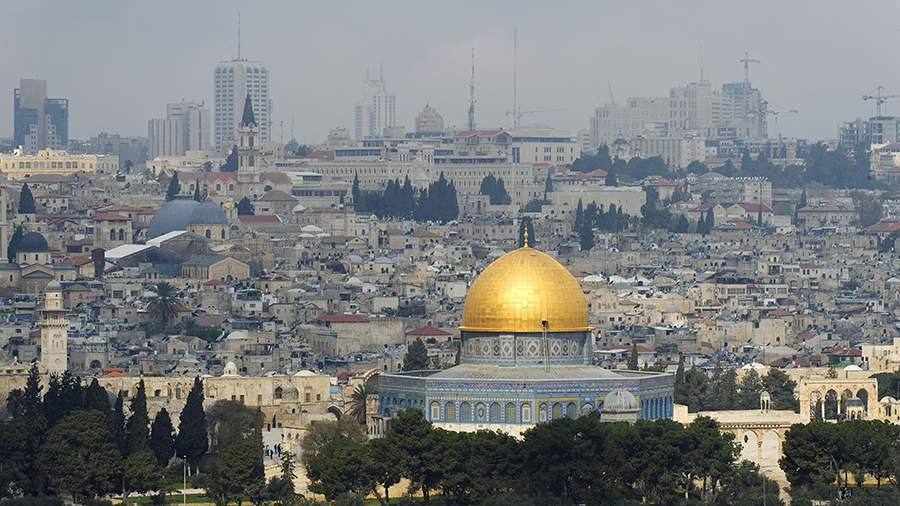
The European Union's (EU) plans to impose sanctions on Israel could seriously change the balance of power in the Middle East. The restrictive measures reflect Brussels' desire to demonstrate political will, but at the same time European countries are forced to take into account internal pressure, Chairman of the International Center for Combating Crime and Terrorism, international political scientist Enes Karakhanov told Izvestia on July 11.
Earlier it was reported that the EU plans to present five possible scenarios of sanctions against Israel due to the ongoing conflict in the Gaza Strip at a meeting of the union's foreign ministers at the Brussels summit on July 15.
"If the sanctions are approved, even in a relaxed form, it will send a signal to the Arab world: Europe is ready to reconsider its previous unilateral support for Israel," Karakhanov said.
He stressed that such a move could affect negotiations on energy, investment and migration between the EU and the Gulf states. At the same time, Israel is likely to view the sanctions as a hostile move and may respond by tightening diplomatic rhetoric or even limiting cooperation in the technological and military fields.

"The suspension of joint projects in the field of high technologies, where cooperation is currently most active, may be especially painful for the EU," the political scientist added.
In his opinion, Israel's reaction will largely depend on the US position. If Washington does not support European sanctions, Tel Aviv will try to use this to ease international pressure. However, the EU's actions inside the country may provoke consolidation around the idea of an "external threat," which will complicate the search for a compromise in resolving the Palestinian-Israeli conflict.
"Sanctions may push Israel to make short-term concessions, but at the same time they will destroy the remnants of trust between the parties. If the restrictions are perceived as outside interference, it will only strengthen radical sentiments," the expert warned.
In addition, he did not rule out that the current situation opens up opportunities for Russia.
"Moscow can propose an alternative format for negotiations involving Turkey, Egypt and the Gulf states, shifting the focus from sanctions to security and humanitarian reconstruction issues," Karakhanov concluded.
On June 26, the final statement of the EU summit reported that the participants of the event had not decided to impose sanctions against Israel, but called for an urgent truce in the Gaza Strip. Then the summit instructed the foreign ministers of the association to continue to "study Israel's compliance with the Association Agreement with the European Union," while paying special attention to the article on the protection of human rights.
Переведено сервисом «Яндекс Переводчик»
