The doctor warned about the dangers of abnormal heat for health

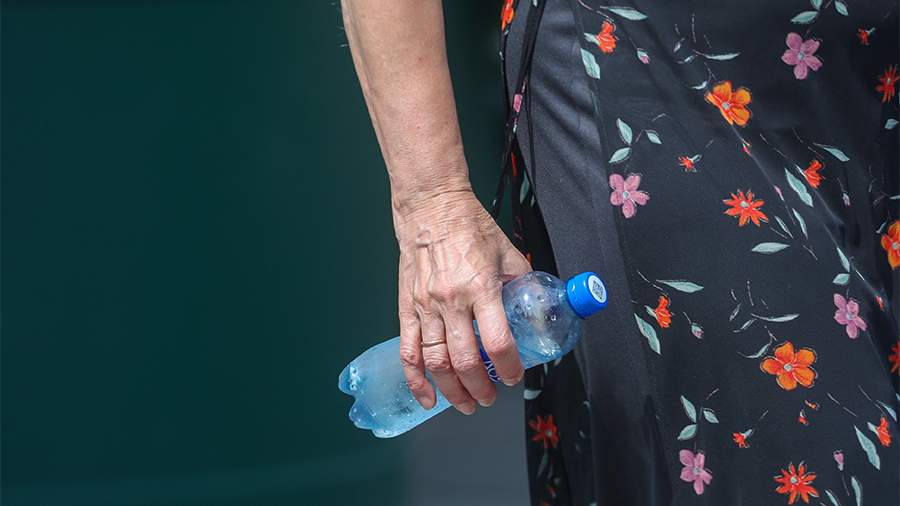
Extremely high temperatures are especially dangerous for vulnerable populations, including the elderly, children, and the chronically ill. Oksana Pivovarova, Professor of the Department of Therapy at the Medical Faculty of the State University of Education, therapist, told Izvestia about the serious risks posed by abnormal heat to the body on July 8.
"Heat stroke occurs due to overheating of the body when thermoregulation is disrupted. Symptoms include weakness, dizziness, nausea, fever, loss of consciousness, and even seizures. Sunstroke is a type of heat stroke caused by direct exposure to the sun on the head. It can lead to brain damage, loss of consciousness, and even cardiac arrest," the doctor explained.
The therapist pays attention to the risks of exacerbation of chronic diseases. In the heat, the load on the cardiovascular system increases dramatically, which can trigger hypertensive crises, heart attacks and strokes. In patients with respiratory diseases, high fever makes breathing more difficult, and in diabetics and people with kidney diseases, dehydration dramatically worsens the condition.

Pivovarova emphasizes that excessive sweating leads to a dangerous loss of fluids and minerals, which is especially critical for children and the elderly.
"Heat also negatively affects mental health, increasing anxiety and provoking exacerbations of mental disorders. High ambient temperatures are also associated with an increase in the number of hospitalizations due to exacerbations of schizophrenia and dementia," adds the professor.
However, overheating and sudden temperature changes (for example, due to air conditioners) increase the risk of developing sore throats, pharyngitis and pneumonia. Bacteria actively multiply in heated reservoirs, increasing the risk of skin and intestinal infections.
Among the high-risk groups, the specialist identifies the elderly over 65 years old, children under 5 years old, pregnant women, outdoor workers and the homeless. To prevent undesirable consequences, Pivovarova recommends avoiding staying outdoors from 11:00 to 17:00, wearing light clothing made of natural fabrics, drinking enough mineral water and carefully using air conditioners without setting the temperature below +23 degrees.
"Abnormal heat requires extreme caution, as its effects can be irreversible. Following simple preventive measures helps to significantly reduce health risks in extremely hot weather," the expert concluded.
Earlier, Alexander Shuvalov, head of the Meteo forecasting center, said that the hottest days are expected in Moscow in the second half of this week. According to the forecaster, it could be +35 degrees in the city center from Wednesday to Friday.
Переведено сервисом «Яндекс Переводчик»
