Trump has threatened the BRICS allies with 10 percent tariffs. What the media is writing
- Новости
- World
- Trump has threatened the BRICS allies with 10 percent tariffs. What the media is writing

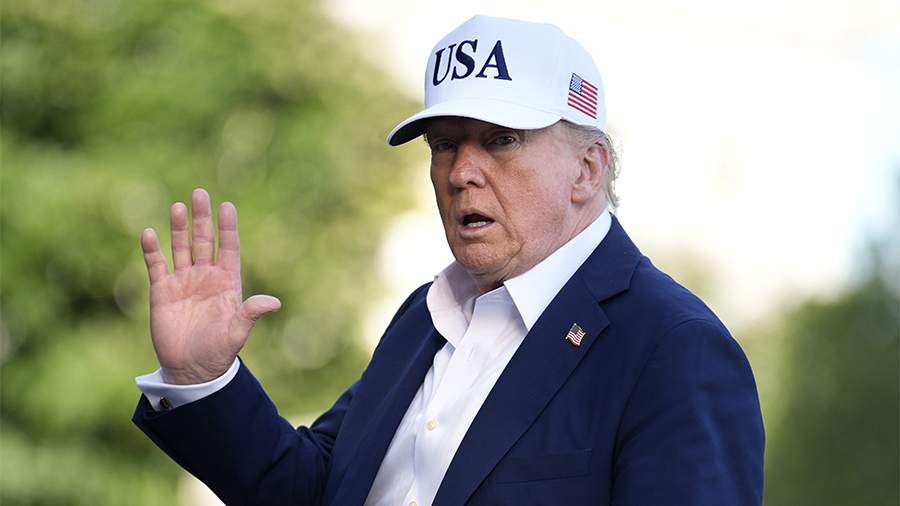
US President Donald Trump has threatened the countries sharing the BRICS policy with the introduction of 10% tariffs. The statement came at a time when the White House is trying to conclude trade agreements with partners and postponed the introduction of April duties from July 9 to August 1. What the media write about Trump's tariff policy is in the Izvestia digest.
Bloomberg: Trump warns BRICS allies about tariffs
President Donald Trump has said he will impose an additional 10 percent tariff on any country that joins the "BRICS anti-American policy." This move will introduce additional uncertainty into global trade while the United States continues to negotiate tariffs with many trading partners.
Bloomberg
"Any country that joins the BRICS anti-American policy will be subject to an additional 10 percent tariff," Trump said in a post on Truth Social. "There will be no exceptions to this policy."
Trump's post does not specify which measures he considers "anti-American," nor does it provide details on when any of these duties might be imposed. After Trump voiced his threat on the evening of July 6, the dollar strengthened by 0.2%, metal prices fell, and the yuan weakened. Trump said in a separate post that Washington would soon send tariff letters to dozens of countries ahead of the expiration of a 90-day delay in the introduction of large-scale tariffs.
Associated Press: BRICS countries condemn Trump's tariffs at the summit
The BRICS bloc condemned the increase in tariffs and attacks on Iran by the United States, but refrained from mentioning Trump's name in the final statement. The group's declaration expressed "serious concern" about the tariff increases, which it said "do not comply with the rules of the World Trade Organization (WTO)."
Associated Press
Trump has threatened to impose 100 percent tariffs against the bloc if he takes any steps to undermine the dollar. Last year, at a summit hosted by Russia in Kazan, the Kremlin tried to develop alternatives to U.S.-dominated payment systems.
The BRICS added that Trump's tariffs "threaten to reduce global trade, disrupt global supply chains, and create uncertainty." Brazilian President Luiz Inacio Lula da Silva, who organized the summit, also criticized NATO's decision to increase military spending by 5% of GDP annually by 2035. This opinion was later reflected in the group's declaration.
The Guardian: The White House postponed the introduction of tariffs on August 1
Trump said his administration plans to start sending letters to U.S. trading partners indicating new duties amid uncertainty about when the new rates will take effect. The previously announced 90-day tariff break was supposed to end on July 9th. In this regard, journalists asked the president whether the new rates would take effect this week or on August 1, as some officials had assumed.
The Guardian
"No, it will be tariffs, tariffs, tariffs, tariffs," the president began uncertainly. — I think we will finish with most of the countries by July 9th. It's either a letter or a deal." Sensing the confusion, Commerce Secretary Howard Lutnik intervened and added, "But they take effect on August 1st. The tariffs will take effect on August 1, but the president is setting the rates and deals right now."
In April, Trump announced a base tariff rate of 10% for most countries and additional duties of up to 50%. He later postponed the effective date for all tariffs except 10% to July 9th. The new date of August 1 offers countries an additional three-week delay, but also plunges importers into a prolonged period of uncertainty due to a lack of clarity around tariffs. Asian stock markets fell amid the turmoil. Japan's Nikkei lost 0.3%, while South Korean stocks fell 0.7%. MSCI's broadest index of Asia-Pacific shares outside Japan fell 0.1%.
The Washington Post: The United States seeks to conclude a trade deal with Europe
American and European negotiators continue to argue over a trade agreement that will delay the resolution of their most complex commercial disputes. The proposed agreement, which would exempt European goods from 50 percent tariffs, is one of the few deals that the administration must complete by July 9 to avoid imposing tariffs on August 1.
The Washington Post
Europe and the United States have been united for many years in supporting the WTO's rules-based trading system. But as European and American diplomats have clashed in recent weeks, they have struggled to overcome sharp differences over the best way to resolve economic disputes, organize the global economy, and confront a rising China.
The tangible results of Trump's trade diplomacy are still difficult to discern. Last week, when the president announced the deal with Vietnam, it was only the second agreement reached during the 90-day pause in the imposition of tariffs. The United States and the European Union continued negotiations over the weekend in hopes of finalizing an agreement paving the way for more comprehensive negotiations. The EU has also developed plans for retaliatory measures against certain American products if efforts fail and Trump continues to impose new duties.

CNN: what is Trump trying to achieve with the introduction of tariffs
Trump and his administration are rushing to conclude trade agreements before the scheduled deadline, after which tariffs should rise for dozens of countries around the world. The President considers tariffs an important part of his political agenda, considering them a way to achieve four main goals.: restoring America's manufacturing power, increasing U.S. incomes, balancing the trade balance, and putting pressure on foreign countries to develop policies beneficial to the United States.
CNN
Trump has often treated tariffs as a panacea, a universal economic tool that can simultaneously restore jobs, pay off the U.S. budget deficit, force foreign countries to settle key disputes, and reduce Americans' tax burden. In his first months in office, Trump used tariffs to achieve each of these goals.
Some companies have announced that they will invest in American factories, citing expensive duties. Tens of billions of dollars of revenue from duties flow into the United States every month. America's trade deficit halved in April. Trump brought several countries to the negotiating table after threatening high tariffs. All this happened without a sharp rise in inflation. However, the first signs of success may be more a sign of initial shock to the system, as companies, consumers, and businesses quickly adjust to the new reality of higher U.S. duties.
Переведено сервисом «Яндекс Переводчик»
