Petrov's post in 2025: history, meaning, what you can and can't eat


A week after Trinity, Orthodox believers enter the Peter's Fast, which is also called the Apostolic. This is one of two multi-day summer fasts that precede the celebration in honor of the Apostles Peter and Paul. Izvestia tells about its traditions and meaning, as well as shares the rules of nutrition.
When does the Petrov Fast begin and end in 2025
The Apostolic fast begins on Monday, one week after Trinity, and ends on the eve of the feast day of the Holy Apostles Peter and Paul, which is celebrated on July 12. Therefore, each year the length of the fast varies from eight days to six weeks.
In 2025, Petrov's fast will last 26 days: from June 16 to July 11.
Petrov post in 2025: history and essence
The earliest mentions of Peter's Fast date back to the 3rd century, as Hieromartyr Hippolytus of Rome wrote about it in his Apostolic Tradition. However, at that time, the fast was not associated with the glorification of the holy apostles and was called the fast of Pentecost.
Initially, the service after Trinity was "compensatory" — it was established for believers who, for one reason or another, could not observe Lent before Easter. At the same time, it was necessary to fast from All Saints' Week (the first Sunday after Trinity) to the Dormition of the Virgin (August 28). Subsequently, the long summer fast was divided into two: Apostolic and Dormition.
Peter's Post received its modern name in the 4th century, when churches in honor of Saints Peter and Paul were built in Rome and Constantinople by order of Emperor Constantine the Great. The consecration of the Church of Constantinople took place on the feast day of the Apostles on July 12 (June 29, Old style). From that moment on, the annual celebration in honor of Christ's closest disciples became especially solemn, and fasting after Trinity also began to be associated with it.
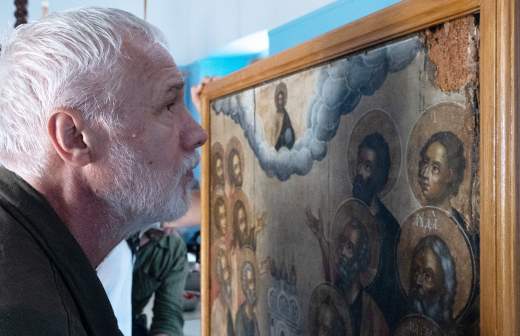
Peter's Fast has a special significance for the Orthodox. As St. Leo the Great, who lived in the fifth century, wrote, fasting after Trinity is necessary to purify body and soul and become worthy of the gifts of the Holy Spirit. After the events of Pentecost, the apostles, who had acquired the ability to speak different languages, went to preach in all corners of the world. But before embarking on their great mission, they were cleansed by fasting and prayer. In memory of this, believers also observe fasting.
Who are the Apostles Peter and Paul?
The Orthodox Church honors Peter and Paul as the first-born apostles, that is, those who made the greatest contribution to the spread of Christianity. This does not mean that they possessed special authority — all the disciples of Christ were equal among themselves. However, it is Peter and Paul who are given the most attention in the book of Acts of the Apostles, which is why they were awarded the title of the first-born.
Before meeting the Savior, the Apostle Peter was named Simon. He was the son of a simple fisherman and the brother of the Apostle Andrew the First-Called. It was he who first called Jesus God, thus laying the foundation of the Orthodox Church. After that, he was named Peter, which means "stone." Simple and sincere in his faith, the apostle denied Christ three times, but later repented and accepted the gift of the Holy Spirit.
Peter preached on the shores of the Mediterranean Sea, in Asia Minor (the territory of modern Turkey), Egypt, Rome, Spain, Carthage (the territory of modern Tunisia) and Britain. According to legend, the Gospel of Mark was written from his words, intended for Roman Christians. The saint was martyred in 67 in Rome — he was crucified upside down on a cross.

The Apostle Paul, who was named Saul before meeting the Savior, is considered one of the greatest preachers in the history of the Orthodox Church. At the same time, he turned to Christ later than the other apostles. The saint came from a noble Jewish family and was an ardent opponent of Christianity. He even received from the Sanhedrin the right to persecute believers and bring them to Jerusalem for trial.
One day, when Saul was on his way to Damascus, he was enveloped in a bright light, and a voice came from heaven: "Saul, Saul! Why are you persecuting Me?" Terrified, the future apostle fell to the ground, and his companions, who also heard the divine voice, were dumbfounded with fear. When Saul finally got to his feet, he lost his sight and the power of speech, speaking again only on the third day.
Subsequently, Saul took the name Peter and became one of the most indefatigable preachers of the gospel. He left 14 messages that were included in the text of the Bible. The apostle was beheaded in 67 in Rome.
What you can and can't eat during Peter's Fast
Peter's Fast is considered one of the easiest of the year, as believers are allowed to eat fish during it. The exception is Wednesday and Friday, which are traditionally considered days of particularly strict observance. At the same time, the consumption of meat, dairy products and eggs is not allowed throughout the entire fast. On weekends, believers can drink some wine, but they should refrain from drinking strong alcohol.
On Wednesday and Friday, according to the church regulations, you can eat hot food with vegetable oil. It is also allowed to eat fruits, vegetables, mushrooms, cereals, nuts and other vegetable products.
What can and cannot be done in Petrov Post in 2025
The Apostolic fast, like any other, is a time of prayer and abstinence. At the same time, it is important to observe moderation not only in food, but also in other areas of life. So, during the fasting period, it is recommended to give up bad habits, noisy holidays and other secular entertainment. Instead, it is better to visit the temple and receive communion. It will be useful to study the stories about the acts of the holy apostles, engage in charity, and do a good deed.
During St. Peter's Fast, the Orthodox Church does not perform the sacrament of marriage, so those wishing to enter into a church marriage will have to postpone the ceremony. At the same time, registration of the union in the registry office is not prohibited, it can be done at any time.

In addition, during the fast, you can devote time to household chores: cleaning, getting rid of unnecessary things, minor repairs. This will help prepare the accommodation for the celebration of Peter and Paul Day. However, it is important not to get carried away, as household chores should not overshadow the spiritual meaning of fasting.
It is also worth avoiding conflicts, gossip, dark thoughts and foul language. Spouses are advised to refrain from physical intimacy.
Earlier, Izvestia told about the history, traditions and signs of the celebration of the Trinity.
Переведено сервисом «Яндекс Переводчик»
