The expert called the signs of fraud through delivery from the PVZ

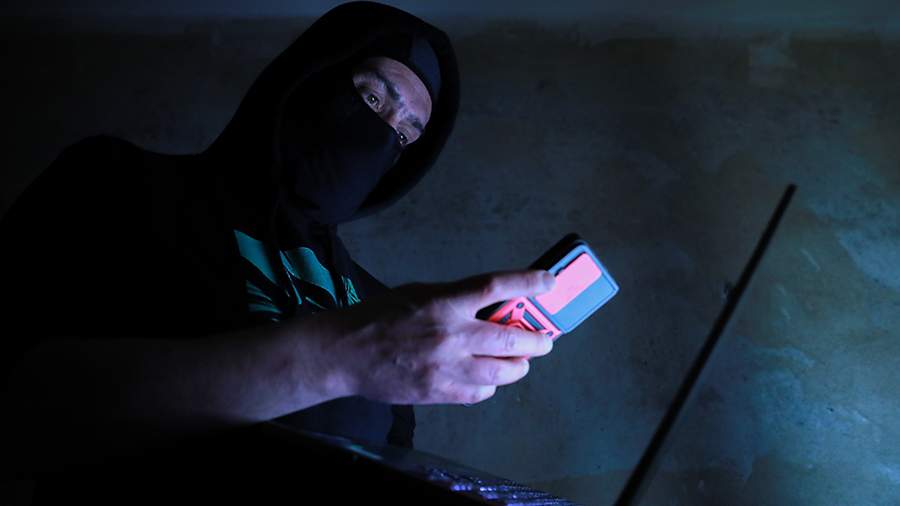
Fraud cases involving fake delivery services have become more frequent in Russia. The attackers pose as employees of order pick-up points (PVZ) of well-known marketplaces in order to extort personal data and money from citizens. Igor Bederov, director of the Internet Search company, told Izvestia on May 14 how to protect yourself from this type of fraud.
He explained that deception can be detected by several characteristic features. First of all, you should be alerted by the unexpected appearance of a call "from the delivery service" without prior notification via the official application or email. A particularly alarming signal is if the caller begins to aggressively demand personal information: SMS confirmation codes, passport data, SNILS, INN or bank details.
"Delivery service employees never ask for SNILS, INN, SMS codes, account passwords or bank details. If they ask you for it, they are scammers. Calls from unknown numbers and an aggressive demand to urgently transfer data are also a clear sign of deception," the expert warned.

If fraudsters still managed to gain access to personal data or bank accounts, it is important to act quickly. First of all, you must immediately block your bank card by calling a credit institution and changing passwords for all important accounts — marketplaces, Public Services, and e-mail. Next, you need to enable two-factor authentication wherever possible, as well as check your personal account on the Gosuslugi portal for unauthorized actions.
Additionally, Bederov recommends filing a police report — this can be done both online through the website of the Ministry of Internal Affairs, and in person at the department. The application should include all known information about the scammers: phone numbers, money transfer details, and attach screenshots of the correspondence.
"If the attackers have received a SNILS/INN, contact the NBKI (National Bureau of Credit Histories) to establish a ban on issuing loans without your consent. Well, inform the support service on whose behalf the scammers called. This will help them to warn other users," the specialist advised.
To protect yourself, the expert reminded: you can not tell anyone the codes from SMS, you should carefully check the addresses of websites before entering data and install applications only from official stores. If you have any doubts about the authenticity of the call, it is better to immediately hang up the phone and call the official support service of the company using the number from its website.
Earlier, on April 9, RED Security told Izvestia about the industries most susceptible to DDoS attacks. According to their data, in 2024, the service sector steadily rose in the ranking — the quarterly increase in the number of attacks was about 35%.
Переведено сервисом «Яндекс Переводчик»
