
"From Sokolniki to Park by metro": how the subway appeared in Moscow
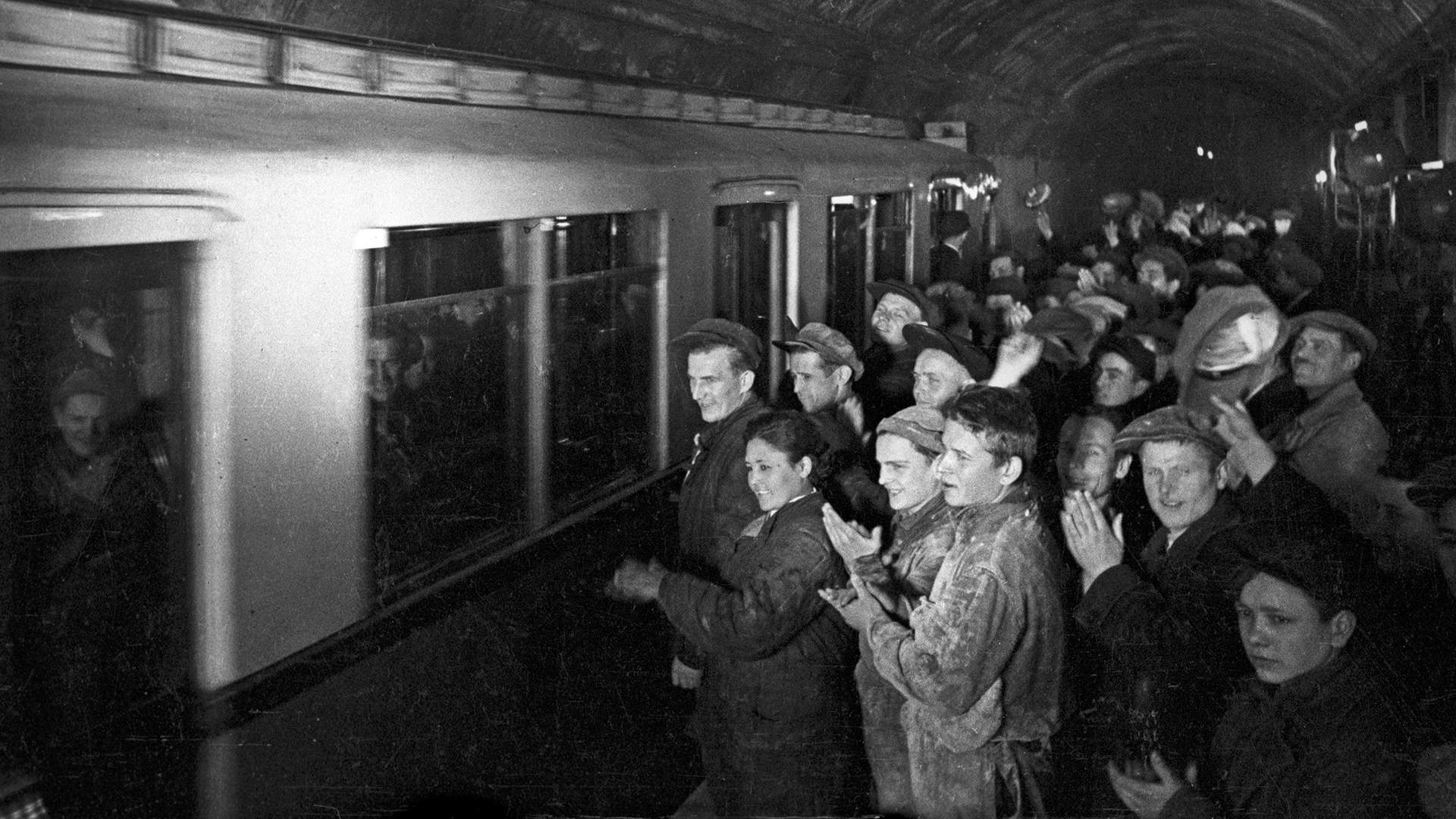
In Moscow, back in the early twentieth century, there was a need for the metro, an underground transport system that would connect different areas of the sprawling city. However, things did not go beyond the plans — sometimes fantastic ones. Meanwhile, the subway was already familiar to Londoners and Parisians, entering the lives of residents of New York, Berlin, Budapest... The tram remained the main public transport in Belokamennaya. But the city was growing, and there was clearly not enough ground transportation. And on May 15, 1935, the Moscow metro began operating, which remains one of the most advanced in the world to this day. Izvestia recalled the history of the Moscow subway.
How to build a subway?
In 1930, when Lazar Kaganovich became the first secretary of the Moscow Regional committee of the party "with special powers," the capital experienced a transport collapse. There were not enough trams. People were hanging on the running boards. Other types of public transport have developed quite slowly. Meanwhile, the city's population exceeded 4 million people, and Moscow at that time did not correspond to the ideas of the capital of a great power. In the early summer of 1931, Kaganovich proposed building a subway from Kalanchevskaya Square (now Komsomolskaya Square) to the future Palace of Soviets (modern Kropotkinskaya station). In addition, it is planned to lay a line through Arbat to Smolensky market.
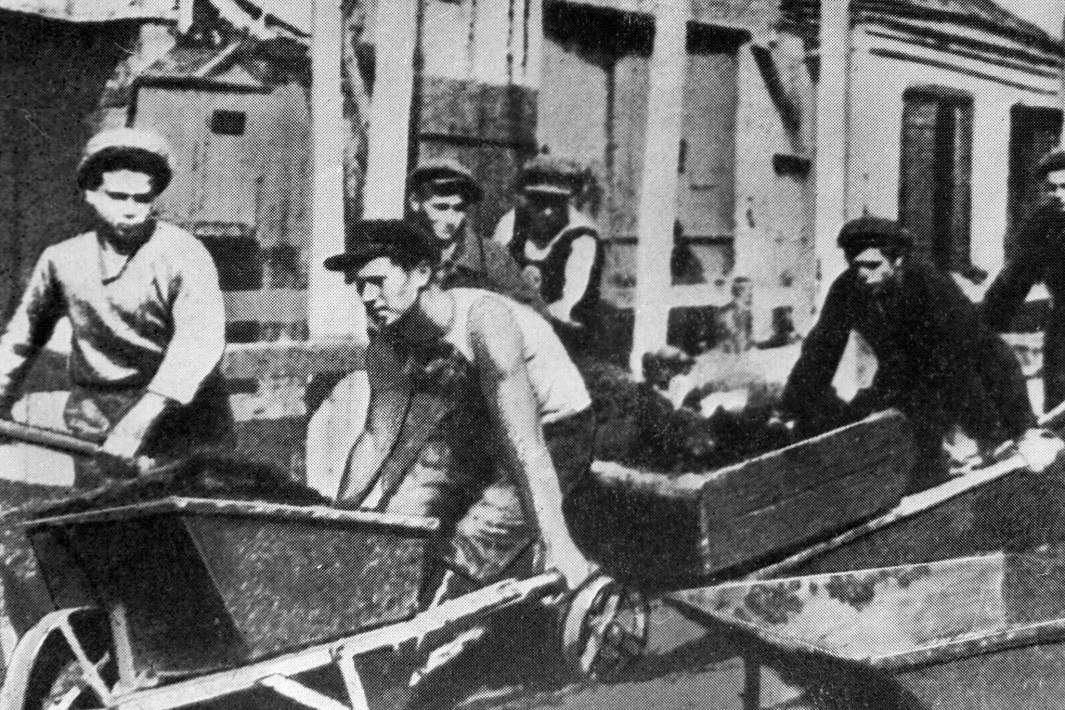
Construction of the Moscow metro. The year is 1931
Pavel Rothert, an experienced railway engineer, was appointed head of construction. He was given three months to develop the project. Initially, the metro was going to be built "according to the Berlin model" — with shallow tunnels. Engineer Veniamin Makovsky proposed a more complex, but also more reliable option — a deep-laid subway. This required new technologies and special geological research. Rothert opposed this option, considering it uneconomical. The city's leaders, after hesitation, agreed with this option, which was later adjusted more than once.
But the work had begun, and there was no turning back. On December 10, 1931, in the courtyard of 13 Rusakovskaya Street, the first team of workers began excavation work. Within a few weeks, construction was underway along the entire route of the future first lines. Kaganovich personally supervised the construction. Nikita Khrushchev, who had headed the Moscow City Committee of the Bolshevik Party since 1935, also descended into the tunnels every day.
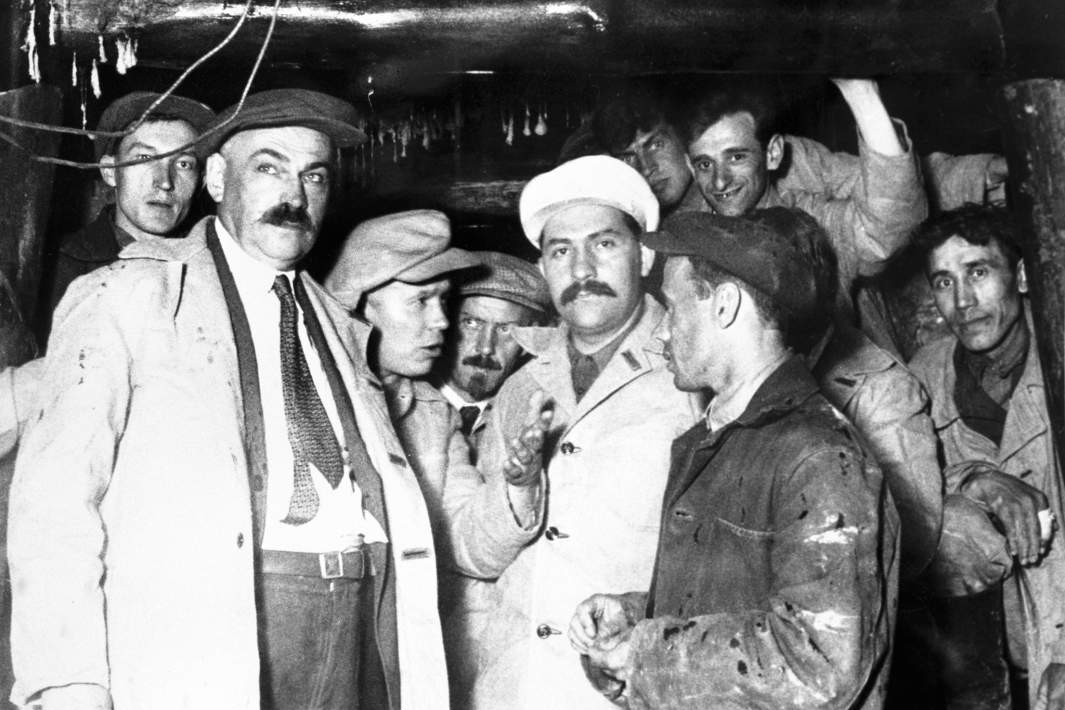
Nikita Khrushchev, First Secretary of the Moscow City and Regional Committees of the CPSU(b), and Lazar Kaganovich, People's Commissar of Railways (center) with the builders of the Moscow metro. The year is 1935
At that time, the whole country knew the uncomplicated aphorisms of the "leaders" that were born during meetings with metro builders, such as the unforgettable: "Build so that it doesn't drip!" The newspapers also talked about the heroes of the construction site — very young, charming. It was hard not to see a happy communist future in them. This was twenty—year-old Tatiana Fedorova, first a sinker, then a foreman of concrete workers, and finally a foreman of the Stakhanov Komsomol youth team of minters. A quarter of a century later, she became deputy head of the Moscow Metro, Hero of Socialist Labor.
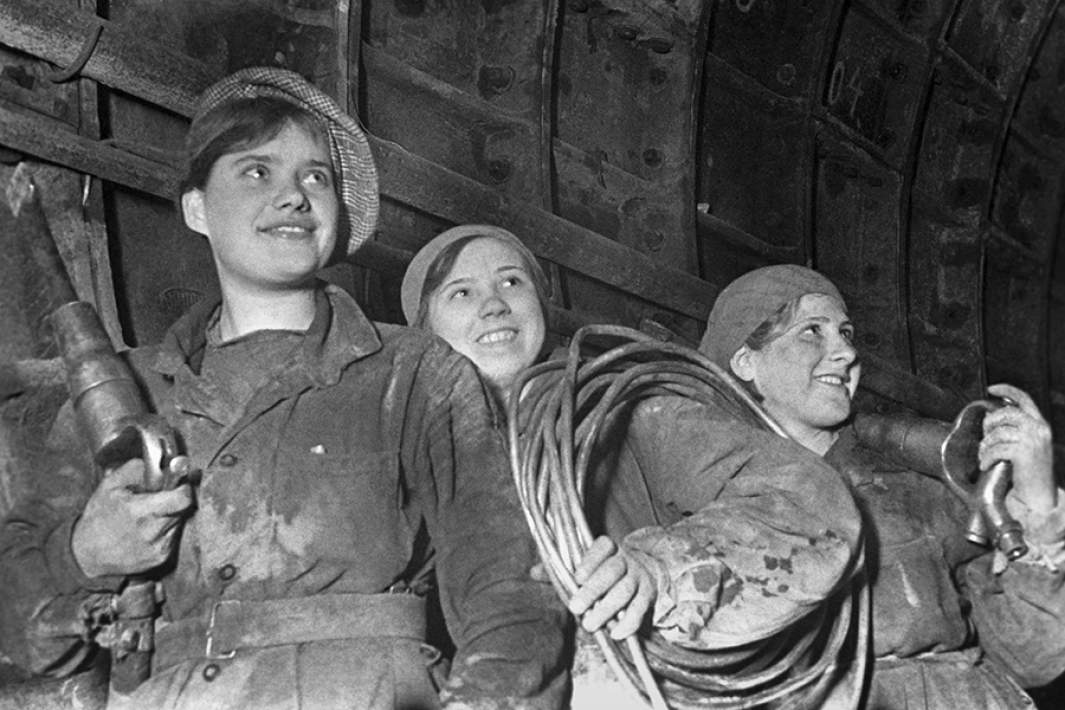
Brigadier Tatiana Viktorovna Fedorova (first from left) and members of her team in the tunnel of the Moscow metro
A consultant, tunneling engineer John Morgan, who was awarded the Order of the Red Banner of Labor, came from the USA. In 1932, modern equipment appeared at the facility — an English movable tunneling shield, which significantly facilitated the work of metro builders. Another shield, no worse than the British one, was assembled by Russian craftsmen. In the same year, an electric depot was already operating in the area of the future Komsomolskaya station, from which the first trains left for experimental flights. The tunneling at great depth was organized by a mining engineer from Donbass, Egor Abakumov, and other miners joined him in the work. Marble, granite, and ceramics were used for finishing work — the Moscow "city underground" was conceived as the "eighth wonder of the world." To provide the construction of the century with materials and equipment, hundreds of enterprises throughout the USSR struggled with the tasks of the government.
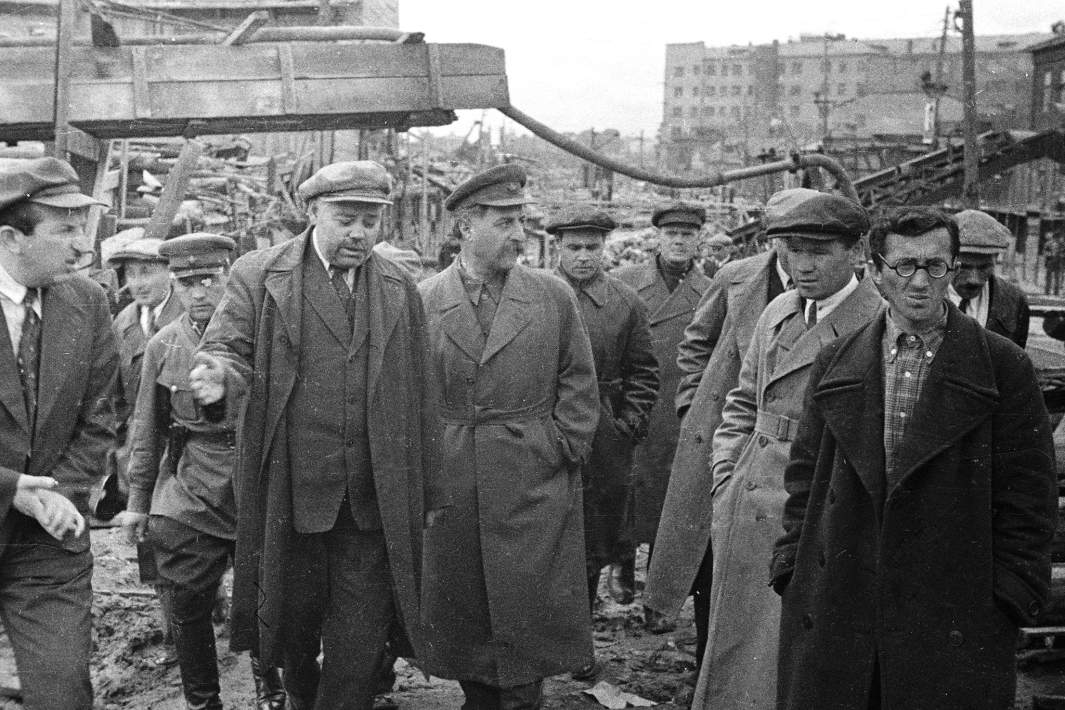
People's Commissar of Heavy Industry of the USSR Grigory Konstantinovich (Sergo) Ordzhonikidze (in the center) at the construction of the first stage of the Moscow metro. To the left of Ordzhonikidze is the first Deputy People's Commissar of the USSR Coal Industry, head of Metrostroy Egor Trofimovich Abakumov. 1934
Makovsky's method turned out to be imperfect. Some mines had to be mothballed due to the influx of groundwater. Having thoroughly studied the Moscow geology, the metro builders came up with the idea of combined construction. In some areas, tunneling boards were used at great depths, and, for example, along Ostozhenka, the subway was built in an open way, breaking through tunnels from above. Metro builders worked around the clock — of course, in shifts. The design department had to make adjustments to the drawings every day, without exaggeration. The builders did not always manage to fulfill the plan, but in 1934 the situation improved. It became clear that the subway was about to start working.
Palaces for the people
The symbol of the Moscow Metro, the red letter "M", was invented by architect Ivan Taranov. The best architects, both young and experienced, like Alexey Shchusev and Ivan Fomin, were involved in the project, which the whole country was talking about. The slogan appeared: "Let's build a palace for the people." So, as a matter of fact, it turned out. The most pompous stations were built in the second and third stages, including during the war years. The first ones were more modest, but still each one looked like a constructivist palace.
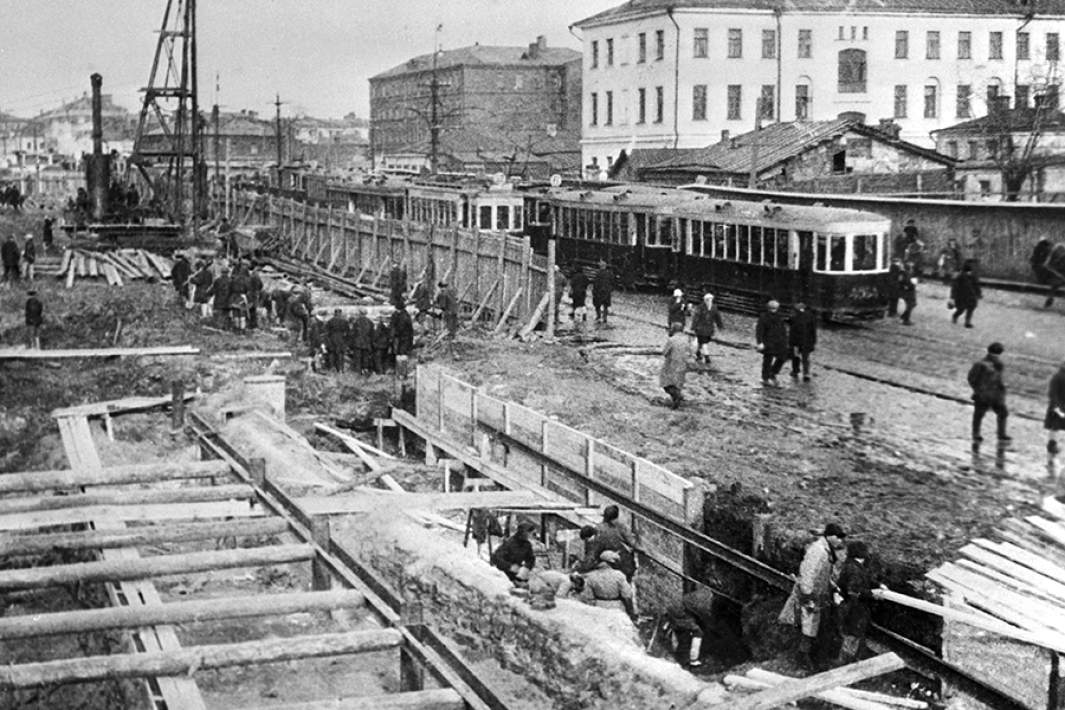
Open-pit mine No. 26 on Verkhnyaya Krasnoselskaya Street during the construction of the subway. The year is 1933
By October 1934, the construction of the tunnels of the first stations was completed, only finishing work continued. The test train has been operating regularly on the entire route since February 4, 1935. It was necessary to adjust the voltage supply, fix the roughness. The metro was tested by members of the Central Committee, engineers, delegates of the VII All-Union Congress of Soviets, and some foreign guests. Each station was accepted by a special commission. The metro has been operating in closed mode for almost three and a half months.
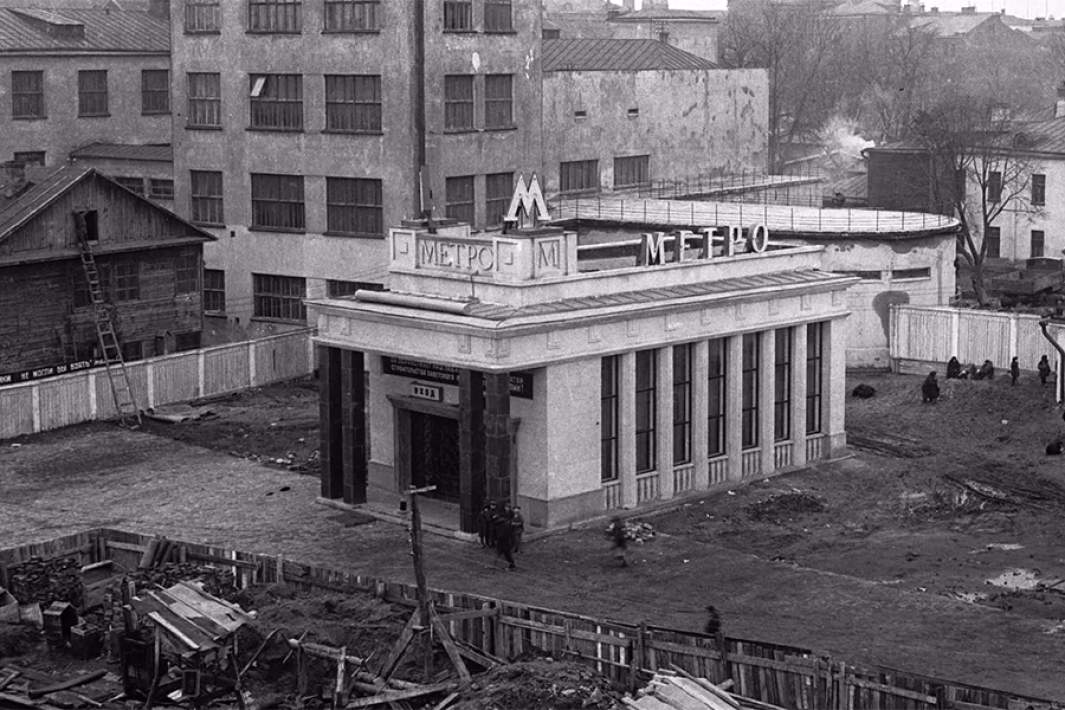
Construction of the southern ground vestibule of the Krymskaya Ploshchad metro station (now the Park Kultury). Early 1930s
And in the early morning of May 15, 1935, the subway opened its doors to everyone, and it was a real celebration. According to the customs of that time, with a demonstration all over Moscow. Ilya Ilf and Evgeny Petrov wrote enthusiastically: "In the coming days, experienced Moscow passengers — people who have experienced great tram passions, tempered their bodies and souls in battles at bus stops and in fights with greedy dirty coachmen — will descend into the subway. They will see the distribution lobbies — the glittering foyers of the subway, with glass ticket counters, wide, perfectly lit corridors and unexpectedly huge shining halls of underground stations. "Station" is too modest a word here. These are train stations. Thirteen train stations, clad in marble, granite, copper and multicolored tiles. The stations open extremely spectacularly from above, from the height of the viaducts, from where passengers descend to the platform via wide staircases to the right and left."
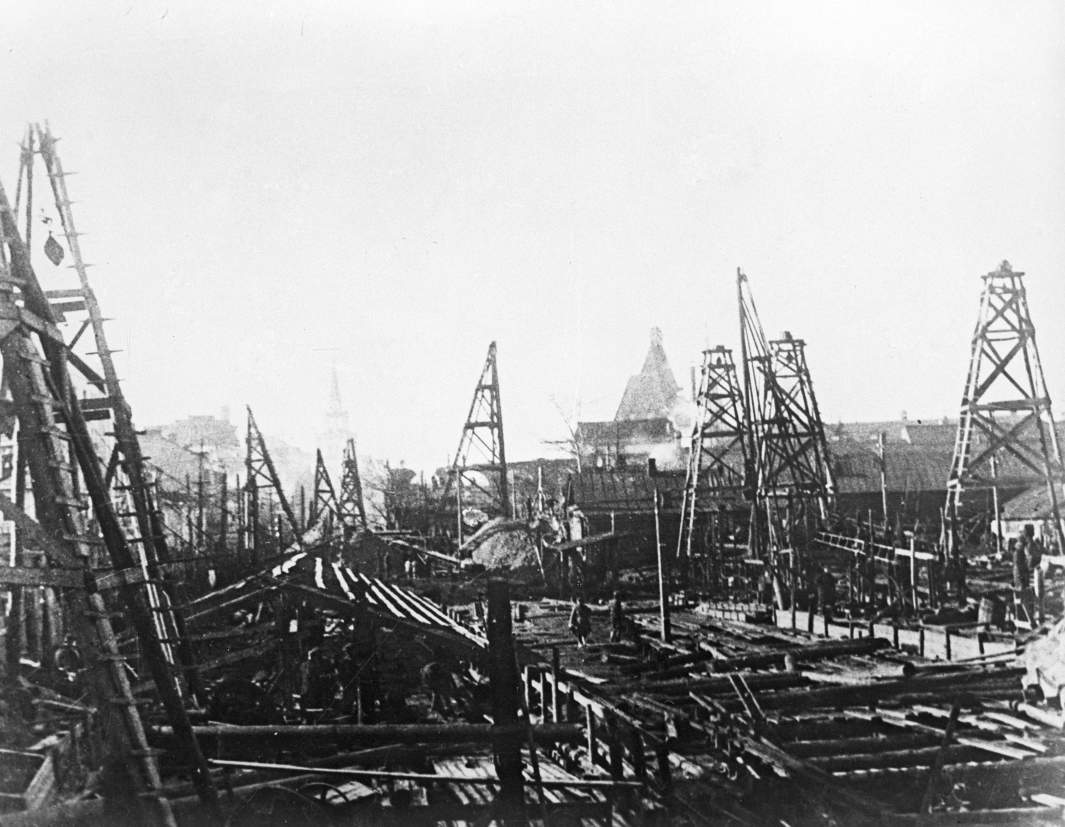
Construction of one of the Moscow metro stations. The year is 1933
The evidence has been preserved: Even then, foreign guests claimed that the Moscow metro was not only "the most beautiful of all existing ones," but also "the most technically advanced." There were proposals to name the metro after Stalin, but the General Secretary preferred to show modesty and insisted that the new "wonder of the world" be named Lazar Kaganovich.
The route was laid from Sokolniki station to Park Kultury, and on the Okhotny Ryad —Lenin Library section there was a branch line to Smolenskaya station. There are only 13 stations, 11.6 km of underground highway. But it was a real miracle for that time! Extraordinary precision of movement against the background of festive, inventive architecture. At first, 14 four-car electric trains operated on the highway. They walked clearly, with intervals of 5 minutes on the main highway and 10 minutes on the branch line.
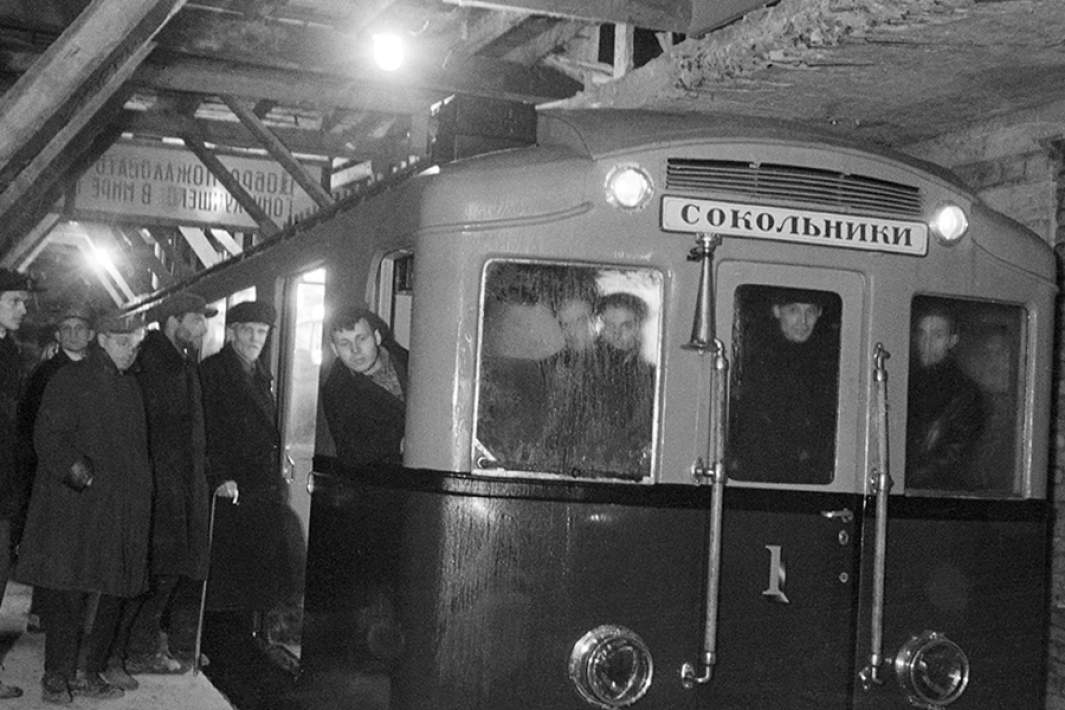
The first train of the Moscow metro
In the first months of the subway's operation, the fare was 50 kopecks, from October 1935 it was reduced to 30. Even taking into account the low salaries of that time, millions of people could afford daily trips to the subway. The subway ticket was valid for 35 minutes, so that passengers would not ride through tunnels and underground halls all day long for their own pleasure. Turnstiles appeared much later — in 1959.
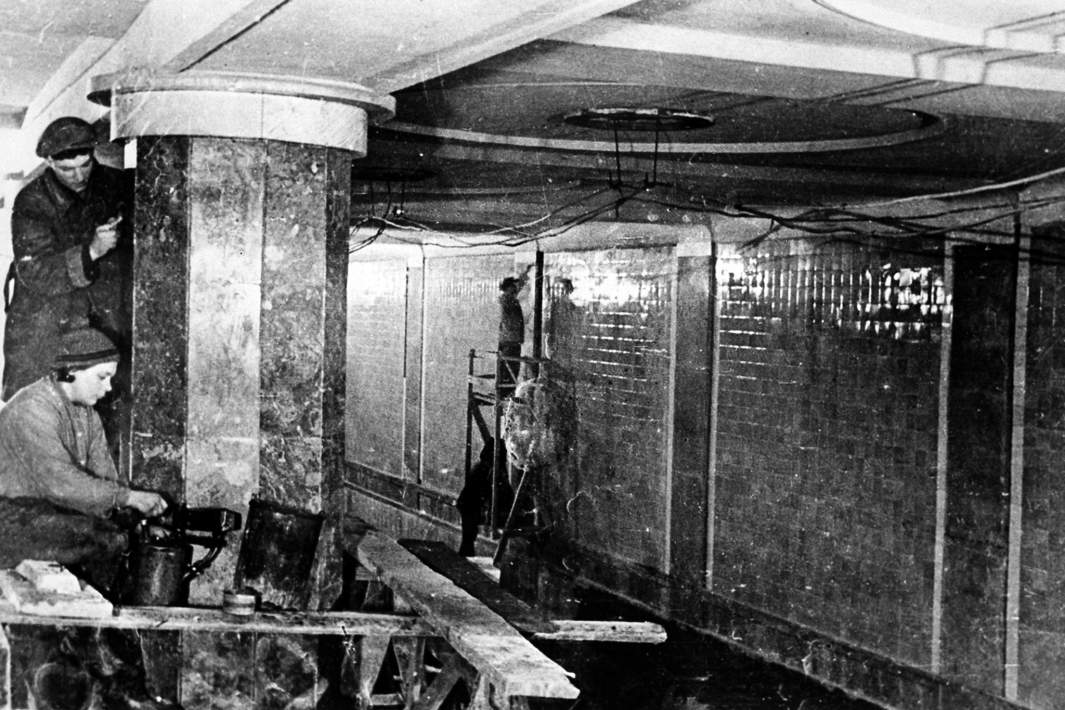
Cladding works in the lobby of the Krasnoselskaya metro station of the Moscow Metro. The year is 1934
After the ceremonial handover of the facility, Metrostroevtsev was received by Joseph Stalin himself. He was talking about awards that initially did not go to everyone.: "We from the presidium are looking at you: not everyone's faces are the same. Some of you seem happy, others are wondering what it is, the bastards, have bypassed us. So, we want to correct this mistake of the party and the government in front of an honest world." We decided to reward everyone.
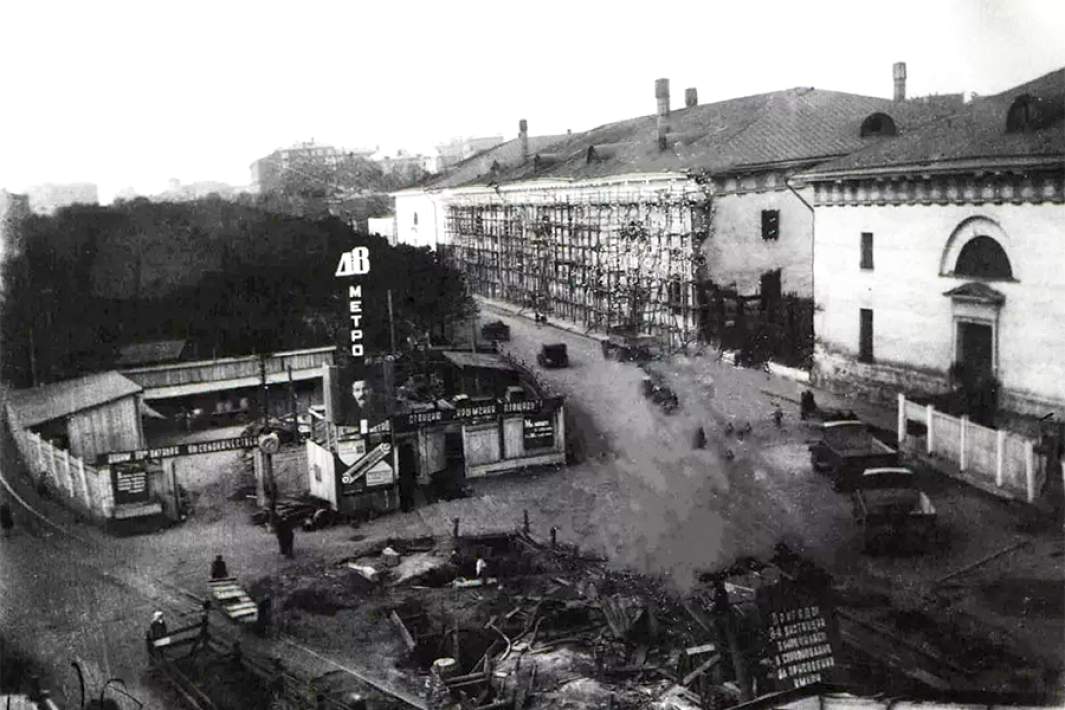
Construction of the southern ground vestibule of Gorky Park of Culture station (now Park Kultury) on Zubovsky Boulevard. The first half of the 1930s
Underground, there really were "palaces accessible to the masses." It was as if the architects had staged a competition, stylizing different styles. From ancient to ancient. It turned out brilliantly. And what were the elegant Sokolniki and Kropotkinskaya pavilions (then this station was named after the unfinished Palace of Soviets) — with an arch that became one of the symbols of Moscow.
Metro forever
The metro immediately entered the life of a big city. A few months later, Muscovites were already freely navigating the underground city, never ceasing to marvel at the moving "miracle ladders" And then Leonid Utesov sang "The Song of the Last Cabman" based on the poems of Yaroslav Rodionov.:
I forged you with fine horseshoes.,
I covered the cab with a clean varnish.
But the subway flashed oak railings,
He bewitched all the riders at once.
Well, how does it work?
Everything in life got mixed up cunningly.:
To harness you, I'm heading in the morning.
From Sokolniki to Park by metro.
During the Great Patriotic War, metro stations became bomb shelters. Hundreds of thousands of people gathered there during the air raids. In the subway, in comfort and safety, solemn meetings of the Central Committee and meetings of the General Staff were sometimes held. The construction of new lines also continued. During the most difficult war years, metro builders built more than 13 km of underground lines. The most beautiful stations were opened — Novokuznetsk, Izmailovsky Park (modern Partizanskaya), and Baumanskaya... Artists such as Pavel Korin, Alexander Deineka and Evgeny Lancere participated in the design of the stations, which gave the Moscow metro a unique charm.
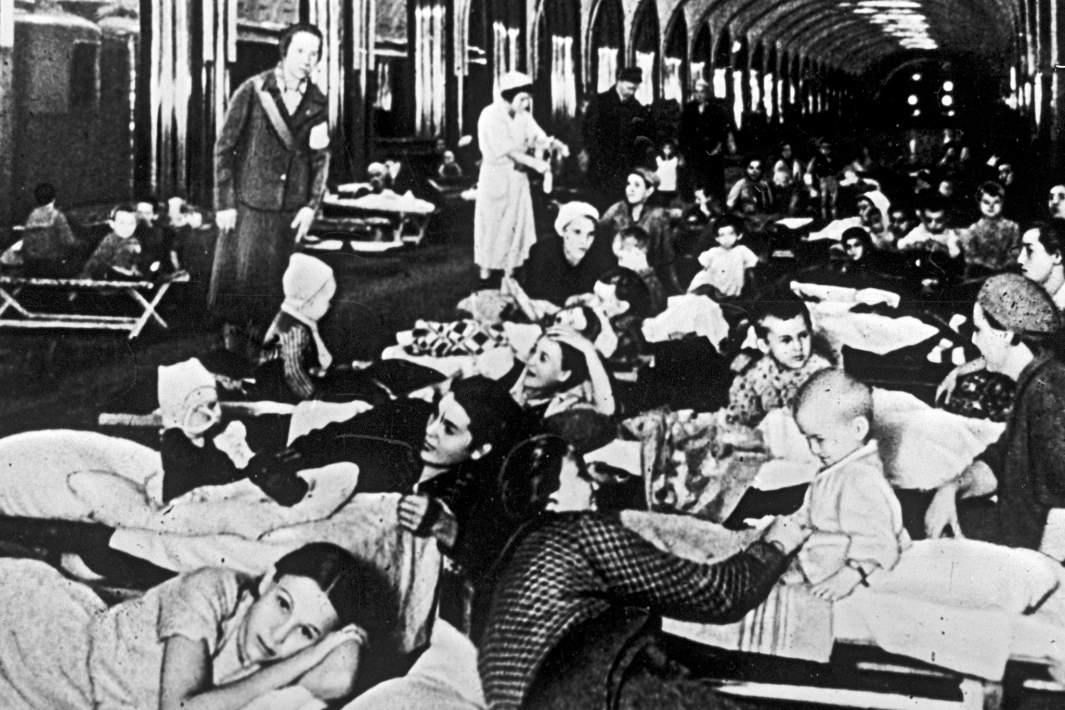
Muscovites in the underground hall of the Mayakovskaya metro station during an air raid. The year 1941
Nowadays, the Moscow metro maintains a reputation as the most beautiful and convenient in the world. The construction of new lines is more active than ever, including in the Moscow region. After several decades of the triumph of the economical style, the underground halls are again being built with an architectural gloss. And the stations built in the 1930s and 1950s are now recognized architectural monuments. The pioneers of the Moscow metro still managed to create the eighth wonder of the world.
The author is the deputy editor—in-chief of the magazine "Historian"
Переведено сервисом «Яндекс Переводчик»
