April 26 is a special holiday of Fomaida Medunitsa: history, traditions, folk signs
- Новости
- Local news
- April 26 is a special holiday of Fomaida Medunitsa: history, traditions, folk signs

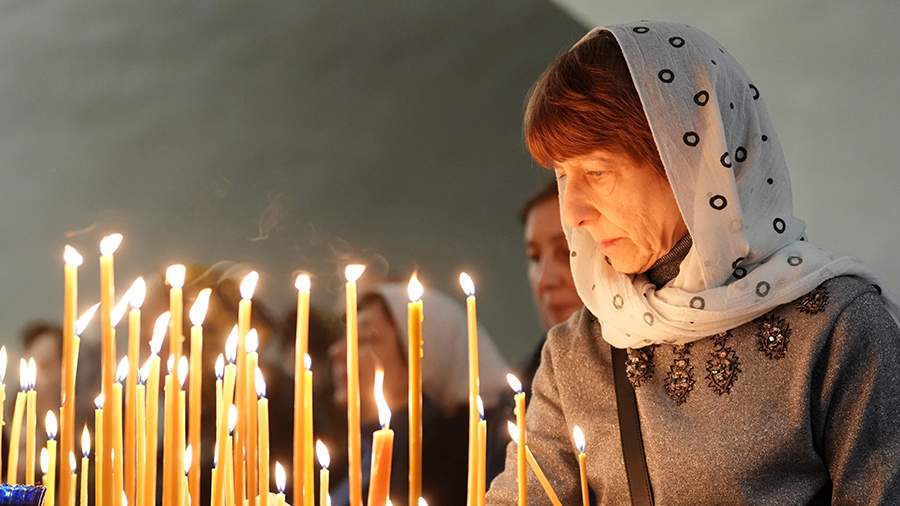
Every year on April 26, Orthodox believers honor the memory of the holy Martyr Thomas of Egypt, who lived in the 5th century. In the national calendar, the holiday is called Fomaida Medunitsa. In 2025, it falls on a Saturday. Read about its history, traditions and signs in the Izvestia article.
Fomaida Medunitsa – 2025: the history of the holiday
The Holy Martyr Thomas was born in the 5th century in Alexandria into a Christian family and was deeply religious from childhood. At the age of 15, she was married to a fisherman. The couple moved into the house of her husband's parents. For her kind disposition, chastity and gentleness, the young wife was respected by everyone, including her father-in-law.
One day, when he was alone with his daughter-in-law, his father-in-law tried to persuade Fomaida to sin. The girl, striving to preserve chastity and fidelity to the commandments, urged him to remember God's judgment and abandon evil thoughts.
But the man, blinded by rage after the refusal, killed the girl. Just a few minutes later, punishment befell him — he was truly blind. In the morning, when her husband's friends came, they found the body of Fomaida and the distraught criminal. He confessed to what he had done and demanded the death sentence for himself.
The Christian ascetic, St. Daniel, who arrived in Alexandria at that time, ordered the monks of the nearby Oktodekad monastery to bury the girl in the monastery tomb. Despite the objections of the brethren, he insisted that the body of the martyr be interred there. "This girl is my mother and yours. She died for purity," he explained.
Shortly after the burial, one of the monks, who suffered from carnal temptations, on the advice of St. Daniel came to pray at the tomb of the saint. There he fell asleep and saw Thomas, who blessed him. When he woke up, he got rid of his passions and found peace of mind.
Saint Thomas became the patroness of those who strive for spiritual purity and chastity. Her relics were later transferred to Constantinople.
Traditions of the national holiday celebrated on April 26th
On the morning of April 26, the ancestors went to church, where they turned to St. Thomas with prayers for deliverance from bodily temptations and other destructive passions, believing in her special intercession before God.
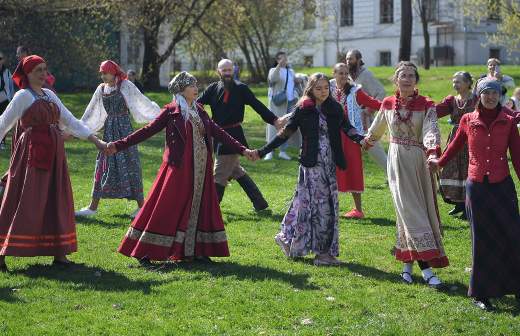
In popular culture, Fomaida Day is closely associated with the awakening of nature and the gathering of the first spring herbs. The peasants called the martyr Honeydew in honor of the plant, which, according to legend, acquires a special healing power on April 26.
The eldest woman in the family, an experienced housewife who knew the area and herbs, went to collect the first sprouts of honeydew. Interestingly, this plant has flowers of different shades on the same stem at the same time, depending on the stage of flowering. At the very beginning, the buds have a pink color, then they change to blue, and by the end of the cycle they acquire a rich purple color.
A decoction was prepared from honeydew, popularly called thrush, which was used as a remedy for colds, coughs and inflammations of the respiratory tract. It was also added to vitamin salads, brewed as a medicinal tea, and used to strengthen the immune system after a long winter.
There was a legend among the people explaining why bees avoid honeydew, even though it is considered a honeybee. One day, God instructed a bee to fly around the earth and choose the sweetest flowers to collect nectar, which would make the best honey. She chose honeydew, but decided to hide the truth in order to enjoy it on her own.

God saw through the deception and forbade bees to take nectar from these plants on pain of immediate death. That is why since then, people said, they have been avoiding the honeydew.
Also on Fomaida, the villages began to collect the first sorrel shoots and prepare traditional cabbage soup and vitamin salads.
Another name for the day is Hare's name Day, since on April 26, the ancestors often noticed flocks of these animals in the clearings and forest edges, but it was not customary to hunt them.
Bans on Fomaid Honeydew: what not to do on April 26
In the folk tradition, there were several prohibitions on Fomaid Honeydew. On this day, it was forbidden to disrespect women, stare at them and offend them. According to beliefs, such behavior could lead to failures in love and loneliness.
Long—distance travel was considered unfavorable - the road could bring unforeseen problems. It was undesirable to make large purchases. The ancestors believed that an acquired item would quickly break down.
Visits and receptions were also recommended to be postponed, as any meetings could end in a quarrel or misunderstanding.
Folk signs on the feast of Fomaida Medunitsa
On Thomas the Great, the ancestors observed nature and judged whether the coming summer would be fertile.
The clear starry sky promised a bountiful harvest that night. If the oak tree was in bloom for the holiday, they were waiting for a hot summer. The abundance of acorns on the branches promised a fertile year, but also a harsh winter in the future. And if a loud cuckoo song could be heard from the forest thicket, you could count on a series of warm days.
Earlier, Izvestia told when and how the national holiday Antip Vodogon is celebrated in Russia.
Переведено сервисом «Яндекс Переводчик»
