- Статьи
- Local news
- Palm Sunday among the Orthodox: the biblical description of the holiday, the spiritual meaning

Palm Sunday among the Orthodox: the biblical description of the holiday, the spiritual meaning
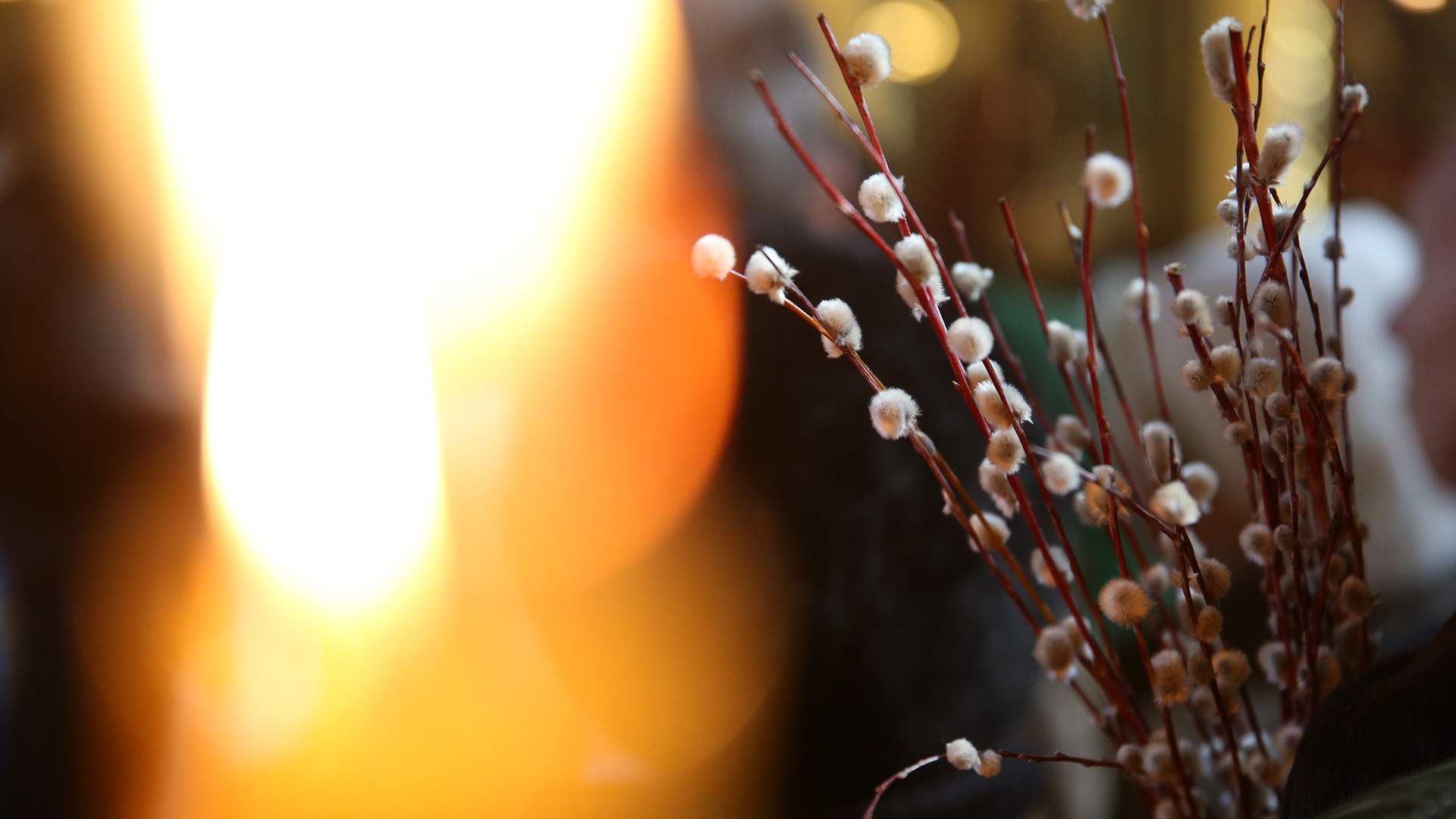
Very soon, believers will celebrate Palm Sunday, one of the most important holidays of the entire church calendar. On this day, they remember the Entry of the Lord into Jerusalem, when the inhabitants of the city joyfully welcomed Jesus Christ as a hope for salvation and eternal life, having learned about the miraculous resurrection of Lazarus. For more information about the holiday, the description in the Gospel, as well as its meaning, see the Izvestia article.
Palm Sunday and Easter: what date is in 2025
Palm Sunday is transitional, and its date depends on Easter. This holiday is celebrated a week before the Bright Sunday of Christ. In 2025, Easter falls on April 20, so Palm Sunday will be held on the 13th. Interestingly, this year Catholics and Orthodox Christians will celebrate Easter on the same day.
Palm Sunday and the Entry of the Lord into Jerusalem: why is it called that?
Palm Sunday is the popular name for the two—hundredth holiday, which is the first day of Holy Week, when Orthodox Christians remember the last days of the Savior's life. As Sergiy (Khrameshin), professor of the Slavic-Greek-Latin Academy, noted, Sunday a week before Easter is one of the most poetic and at the same time dramatic days of the church calendar.
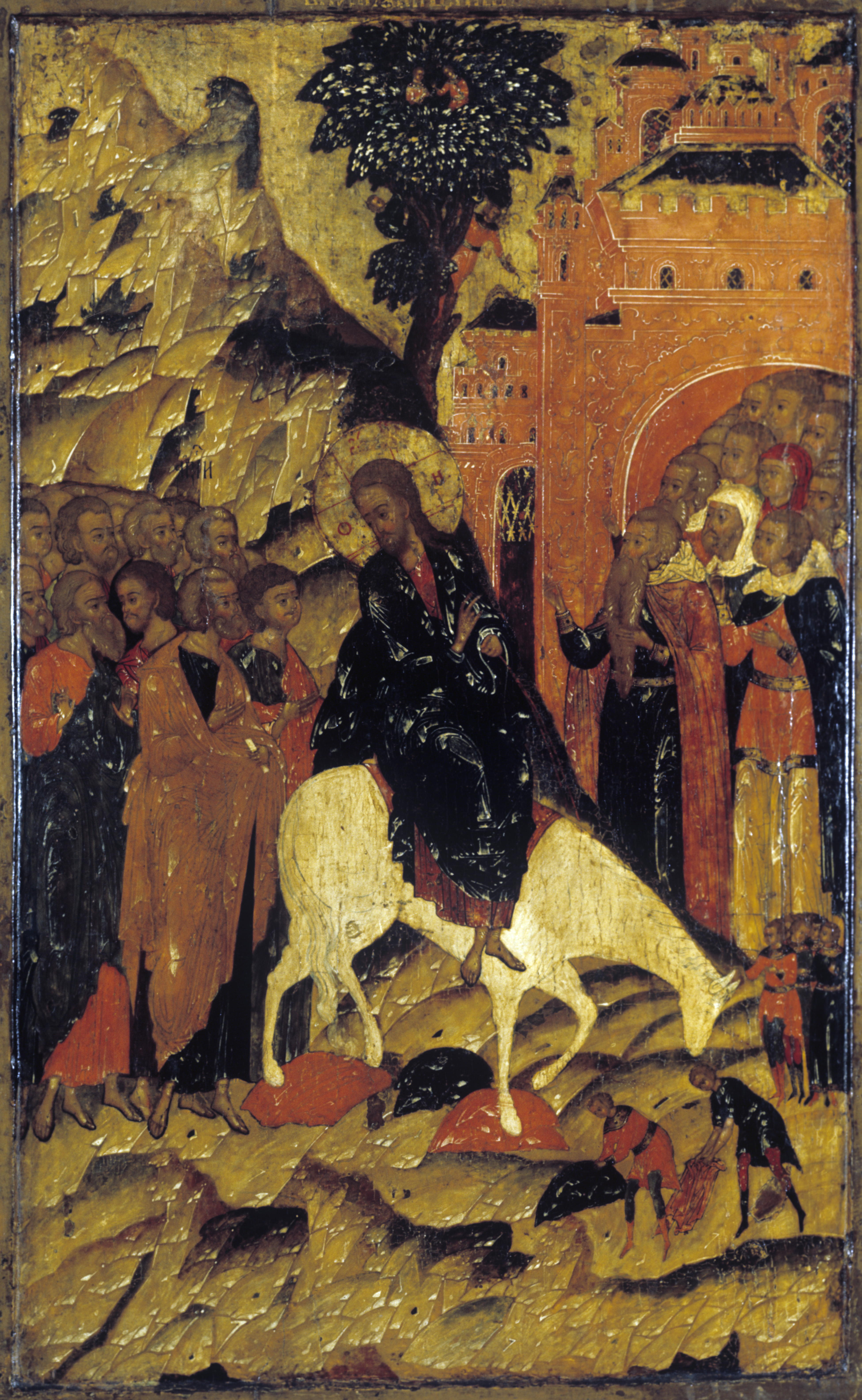
The full name of the feast is the Entry of the Lord into Jerusalem. On this day, Jesus entered the city accompanied by his disciples to receive suffering on the cross for the sins of all people. After that, according to the creed, he must rise again, giving all believers deliverance from death.

The Entry of the Lord into Jerusalem: as described in the Gospel
In Jerusalem, the Savior was greeted as the messiah or the prophesied king who would save the Jewish people from Roman rule. People's faith in Jesus was further strengthened, because the day before he raised Lazarus.
— According to the gospel story, Jesus Christ enters Jerusalem riding on a young donkey. The people greet Him with delight: they throw palm branches at His feet, shout "Hosanna!" — an ancient Hebrew exclamation meaning a request for salvation. People believe that before them is the Messiah, the long-awaited King. But none of them knows that in a few days the same streets will be screaming something else.: "Crucify Him!" says Khrameshin.

The fact that he rode into the city on a donkey carries great significance, because earthly kings would never have done this, but the King of Heaven would have done it to fulfill the prophecies. For example, that "a meek King will enter Jerusalem." If he had done this on horseback, he would have risen above others, but Jesus was on a par with those who met him.
They continued to praise him loudly for the miracles they had seen before, and the disciples thought that Jesus was going to the throne. But He was going to the Cross. And the Lord wept as he entered Jerusalem, knowing what awaited him. He understood that he had a painful death ahead of him, but at the same time, Christ knew that it would be abolished and would have no meaning in the Kingdom of Heaven, which did not relate to the earthly reign.
Carpets were spread on the way of the Lord and palm branches were thrown, which symbolized the triumph. This was how the victors were greeted and peaceful intentions were shown in those days.

In Christianity, palm branches have the meaning of the triumph of life and victory over death and sin. It is not for nothing that they are often depicted on icons and frescoes in the hands of saints and martyrs.
— In the Orthodox tradition, the holiday has its own local appearance. There are no palm trees in Russia, so since ancient times, believers have been using willow branches, one of the first plants to wake up in spring. These twigs have become a symbol of life, renewal and anticipation of Easter," says the professor.
The Spiritual meaning of Palm Sunday for Orthodox Christians in Russia
— In modern Russia, the holiday remains a landmark. Believers perceive it as a starting point before Holy Week, the most serious days of Great Lent. This is the time when the gospel texts about the last days of Christ are read in churches, when services become especially focused and strict. Palm Sunday seems to open this door: after a brief moment of universal joy, to trials and finally to Easter," says Sergiy (Khrameshin) about the significance of the holiday.
The expert also draws attention to the fact that Palm Sunday is not just a "spring day with a willow tree." It represents a time when a person, even accidentally entering a temple, can feel something more: the silence before the storm, the fragility of the crowd's approval, the price of true faith.
— The holiday doesn't speak loudly — it invites you to think, — says the professor.

Sergiy (Khrameshin) adds that in 2025, when tension, insecurity and anxiety have become almost the background of everyday life, the images of Palm Sunday sound especially relevant. In the face of change, fear, and uncertainty, it offers a different perspective on strength: not through pressure, but through loyalty. Not through noise, but through choice — quiet but decisive.
— This holiday is about the fact that even when the world seems against it, you can remain yourself. This means that we can stay with hope," concludes the professor of the Slavic-Greek-Latin Academy.
Переведено сервисом «Яндекс Переводчик»
