Heartbeat: in the Russian Federation unify data collection of glucometers and fitness bracelets
- Статьи
- Society
- Heartbeat: in the Russian Federation unify data collection of glucometers and fitness bracelets

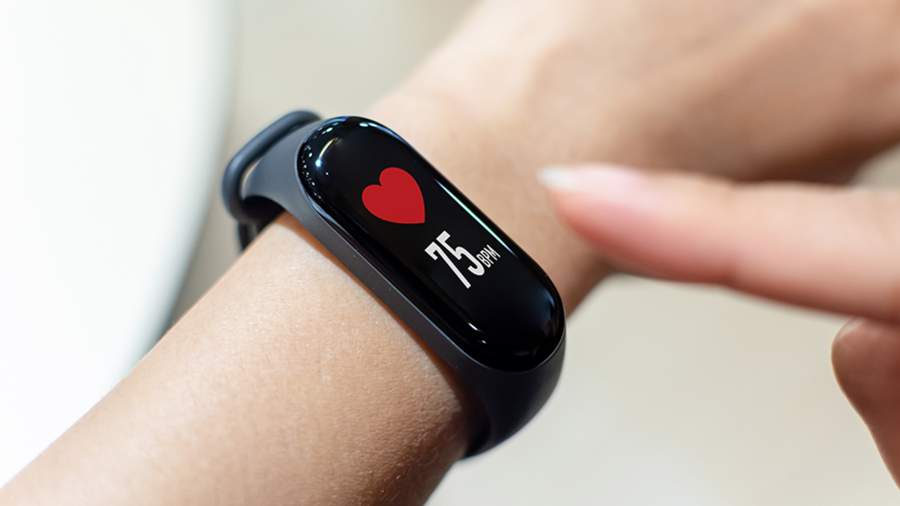
Russia has introduced a standard for collecting information from glucometers and fitness bracelets, the National Technological Initiative ANO told Izvestia. This is about gadgets that help treating doctors to constantly monitor data on the condition of their patients - now it is possible to unify the collection of such information. Doctors will be able to work with it regardless of who manufactured the devices, who they are serviced by and in which clinic they were issued. The realization and implementation of such a system across the country may require from 10 billion to 30 billion rubles, experts believe. Now it is operating in pilot mode - in eight regions of Russia and only for two diseases.
Standard data
In Russia, the standard of operation and data collection of personal glucometers, tonometers and other so-called personal medical assistants has been approved, Izvestia was informed by the National Technological Initiative (the development was carried out by the NTI infrastructure center Healthnet).
In 2022, the government adopted a decree on the implementation of a pilot project on remote monitoring of a patient's health using the Personal Medical Assistants information system. The experimental legal regime (EPR) started in 2023 and is now operating in eight constituent entities of the Russian Federation: the Irkutsk, Magadan, Novosibirsk, Ryazan, Tyumen and Samara regions, Tatarstan and Khanty-Mansi Autonomous Okrug.
Personal medical assistants such as fitness bracelets, smart watches, glucometers and other gadgets can be used to monitor pulse rate, blood pressure or blood sugar levels. Information from these devices is either automatically fed into medical information systems or people submit them themselves via a mobile app. The doctor then analyzes the data and, if necessary, contacts the patient to adjust treatment.

Implementation of the standard will allow doctors to have access to the data of patients with chronic diseases, such as arterial hypertension and diabetes, in a system unified format, Nikita Utkin, deputy director of the Autonomous Nonprofit Organization "NTI Platform", chairman of TC 194 "Cyberphysical Systems", on the basis of which the standard was developed, told Izvestia.
- And patients will be able to receive online and in a short period of time consultations of necessary doctors of any specialization, wherever they are," he added. - We are trying to move away from the unworkable principle, when a person is attached to a particular medical institution together with his data.
The standard is based on the experience of pilot projects on remote monitoring of patients with hypertension and diabetes, conducted in a number of regions and medical organizations, said Maria Galyamova, Head of Healthnet Infrastructure Center.
- We hope that the developed standard will become an important tool for the realization of the new federal project "National Digital Platform "Health"", - she explained. - It assumes that by 2030, 100% of patients with socially significant chronic non-infectious diseases will have access to proactive health monitoring using digital services.
"Izvestia" sent a request to Rosstandart with a request to specify the terms of approbation of the project.
Why it is necessary to standardize the collection of information
Standards help unify the experience of doctors and apply it for the benefit of the patient, said Dmitry Klepikov, candidate of physical and mathematical sciences, IT director of the Resymon platform (applications for collecting data on the well-being of cancer patients).
- They dictate special requirements for the accuracy and reliability of the devices used, critical software, data quality and processing, including interpretability when using AI," he said. - Methodologies and standards, of course, need to be regulated by government through consensus of practitioners and science, and sensitively balanced between ensuring reliability, safety, and incorporating innovation into the practices used.
For example, when tracking adverse events of cancer patients undergoing treatment, it is critical to obtain not only data from wearable gadgets, but also subjective information about the patient's well-being and sudden adverse events, he added.
The emergence of the standard will allow doctors to receive information about the condition of patients online and promptly adjust the dosage of drugs or make changes in lifestyle, such as diet or exercise, said Alexandra Fileva, an expert physician at Hemotest laboratory. And citizens will be able to consult with a doctor about their well-being without leaving home.
- Thanks to this project, interaction and information exchange between doctors and patients will become faster and more convenient," she said. - So far, the pilot covers only two main categories of patients - people with arterial hypertension and diabetes. In the long term, in five years, it is planned to provide personal gadgets for all Russians with chronic non-communicable diseases.
Now there are many manufacturers of medical equipment, and a person can buy a glucometer or a device that constantly reads the pulse, but there is a problem: different manufacturers and models have different standards of readings, accuracy and data transmission formats, emphasized Director of Communications "Invitro" Dmitry Khrapunov.
- Because of this, the same indicators from different devices can be interpreted differently," he said. - For example, the data from one device may indicate a pre-infarction condition, while another may indicate that everything is fine. It is important to realize that there are certified medical gadgets, and there is a huge number of devices that read medical information, but legally can not be used for diagnosis and diagnosis.
How much will it cost to fully implement the standard
In Russia, devices that have been certified as medical devices are now critically few, said Dmitry Khrapunov. And gadgets that do not fall under the state standard can be used by patients for personal information, but they cannot be used for diagnosis.
- In reality, people with chronic diseases monitor the dynamics of their condition during the day, - said the expert. - A doctor cannot monitor a patient around the clock, even if the patient is in the hospital. The device keeps a log and collects statistics, the doctor can assess the course of the disease, the condition of the person and the dynamics of changes.
At the initial stage of development of the standard, the costs of this and its implementation may be significant, Igor Rastorguev, a leading analyst at AMarkets, told Izvestia. And Nikita Utkin added that the standard is aimed at optimizing and ultimately reducing the costs of any projects for the use of personal medical assistants.
Total costs include research, consultations with experts, testing and approbation of data exchange protocols, Igor Rastorguev explained.
- According to the data on pilot projects conducted in the regions, the cost of their implementation can amount to tens of millions of rubles, including the development of information systems and staff training. The total cost of creating and implementing the standard may cost from 100-300 million rubles, - he said.
Once the standard is approved, its application should be scaled in medical organizations across the country, the expert added. This includes the purchase and installation of appropriate devices, training of doctors and staff, as well as integration with existing medical information systems.
- Working with personal medical assistants in Russia will require monitoring equipment, software for data collection and analysis, which may require additional investments," he emphasized.
According to the expert, given the number of medical institutions in the country, the total investment in the implementation of the standard may amount to 10-30 billion rubles, depending on the scale and timing.
Переведено сервисом «Яндекс Переводчик»
