A radiologist spoke about the application of AI in medicine

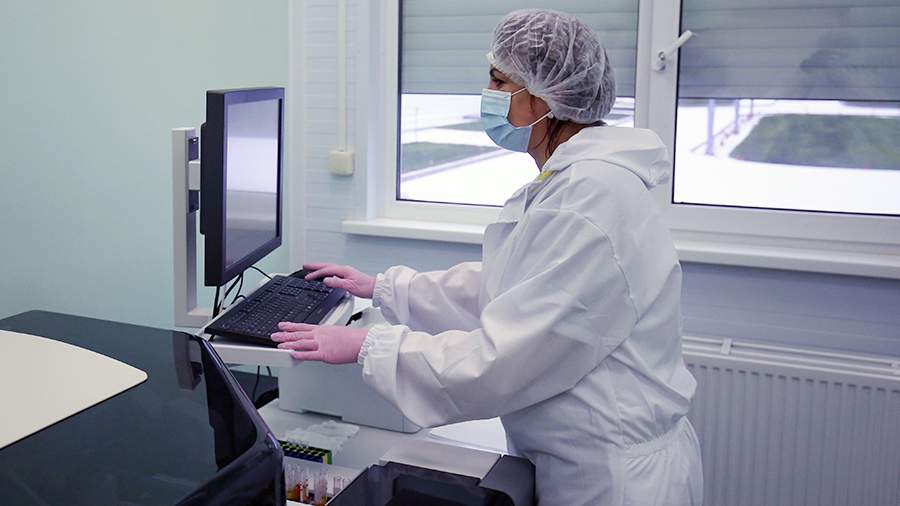
Artificial intelligence (AI) is actively used in medicine and helps to detect diseases at early stages, Viktor Gombolevsky, a leading researcher of AIRI Institute, Chairman of the Board of Directors of SberMedII, PhD, radiologist, told Izvestia.
"The strategic task of introducing AI algorithms in medicine is to improve the quality of medical care, reduce staff shortages and professional burnout, and increase economic efficiency in healthcare," the expert noted.
At the same time, he specified that the technology remains an auxiliary tool for doctors, as it requires human control and expert evaluation. AI is capable of processing and analyzing large amounts of data, identifying patterns and suggesting possible diagnoses or treatments, but important aspects, such as individual patient characteristics, the context of the clinical situation and emotional support, require the involvement of an experienced physician, Gombolewski stressed.
"AI serves as an additional resource that can improve the accuracy and efficiency of medical decisions, but it does not replace human professionalism and intuition, which remain key in making final decisions about a patient's health," he said.
That said, artificial intelligence can help detect diseases in their early stages. According to the doctor, a big focus is on predictive, preventive medicine. The radiologist clarified that in most cases it is conditions not diagnosed in time or situations where patients did not show up for a recommended examination that could have detected the disease in its early stages that lead to increased cost and reduced effectiveness of treatment.
"In this regard, it is interesting that the use of AI for medical purposes has moved beyond medical organizations -- wearable devices have emerged, at home, mobile in cars and on tablets. Important: most of these developments are aimed at diagnosis, not treatment," Gombolewski added.
In addition, artificial intelligence is actively used in medicine in such areas as, for example, radiation diagnostics. According to the doctor, 38 products based on artificial intelligence that are used in practice have been registered in the Russian Federation: they have the status of a medical device from Roszdravnadzor. The most registered technologies are for interpretation of radial diagnostics images using computer vision technology. Among them, the leader is AI for the direction of computed tomography of chest organs.
"Other medical AI directions are: analyzing electronic medical records, analyzing video streaming, and evaluating moles on the skin. In addition, there are also products that do not require certification as a medical device, such as physician speech recognition," Gombolewski noted.
In addition, as the expert reminded, there are also achievements in the field of pharmacology: for the first time in the last 60 years a new class of antibiotics was discovered thanks to new AI models. There are also such solutions as AlphaFold, which predicts the structures and interactions of proteins and other biomolecules with high accuracy, thus accelerating the discovery of new drugs.
Earlier, on November 21, Dmitry Solopov, President of PROGRESS Communications Group, told Izvestia that every third creative project in Russia is created using AI. This saves employees' time and helps them focus on more creative and strategic aspects.
Переведено сервисом «Яндекс Переводчик»
