July 23 is the feast of the Konevskaya Icon of the Mother of God: the history and meaning of the image
- Новости
- Local news
- July 23 is the feast of the Konevskaya Icon of the Mother of God: the history and meaning of the image

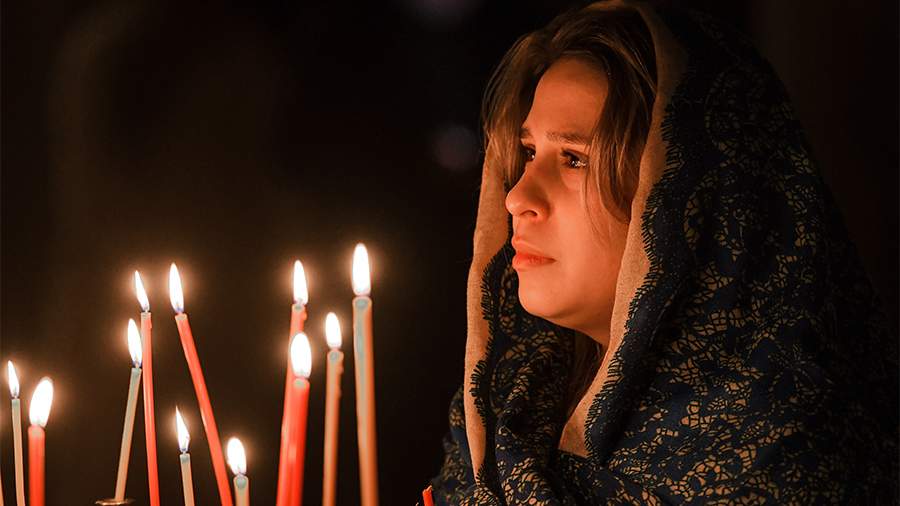
Every year on July 23, the Orthodox Church celebrates the memorial day of the Konevskaya Icon of the Mother of God. In 2025, the celebration falls on a Wednesday. Read about the history of the miraculous image and how it helps in the Izvestia article.
The history of the feast of the Konevskaya Icon of the Mother of God
The history of the icon, later named Konevskaya, is closely connected with the fate of St. Arseny, the founder of the Konevskaya monastery. According to the church chronicles, he spent three years on Mount Athos, performing feats of fasting and prayer.
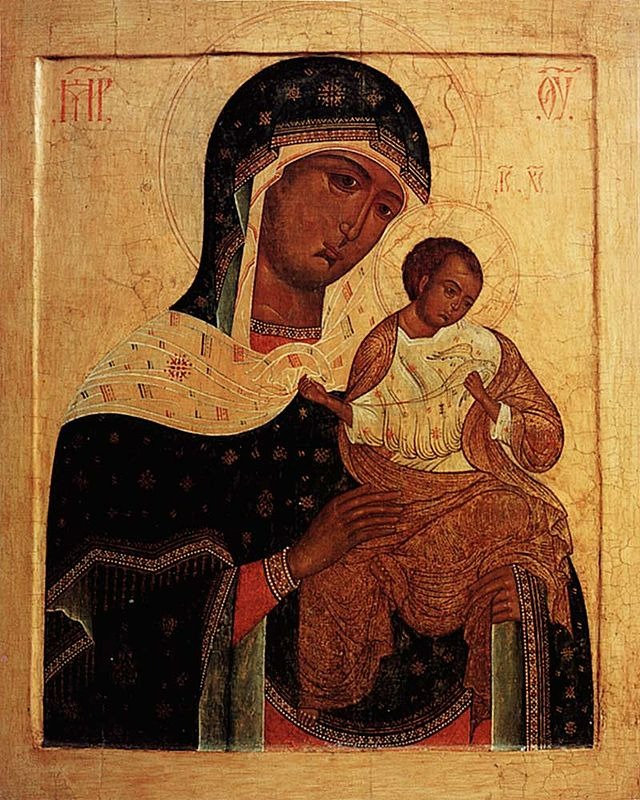
In 1393, the saint decided to return to Russia in order to spread the traditions of monasticism in his native land. At parting, Arseny's spiritual mentor, Abbot John Zidon, presented his beloved disciple with the image of the Mother of God and predicted that one day he would become the abbot of his own monastery.
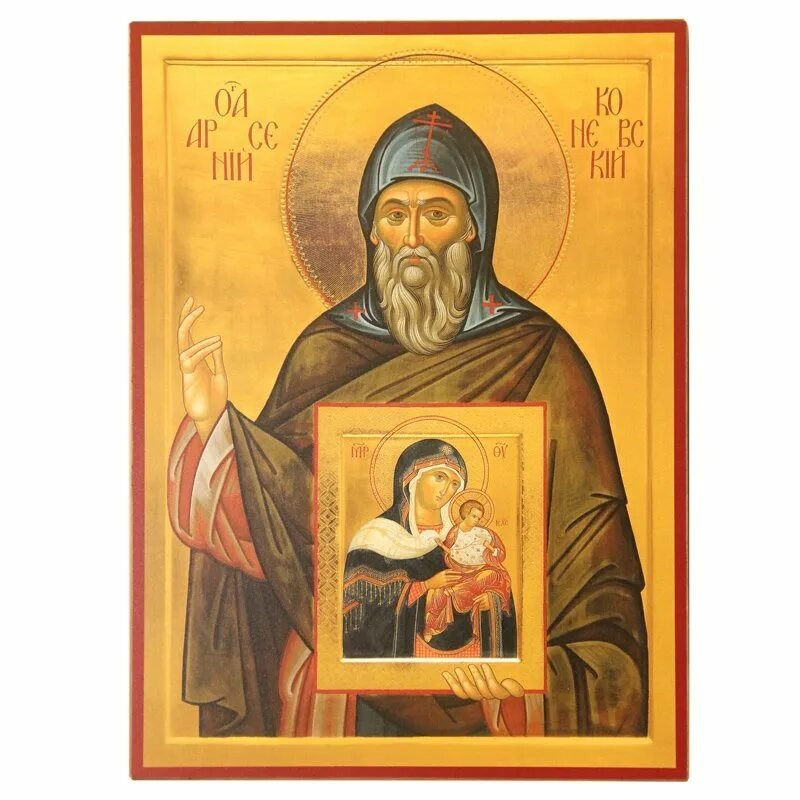
Some time later, Saint Arseny arrived in Novgorod the Great, where he received the blessing to establish a monastery. He decided to build a monastery on Konevsky Island, located on Lake Ladoga. According to legend, from the very beginning the saint felt the blessed power of the Athos icon of the Mother of God. Her miraculous power soon manifested itself.

The local population of the island worshiped the so-called "stone horse". The Monk Arseny took the image and, having made a procession with it around the idol, exorcised countless demons, which scattered like black crows. Since then, the "stone horse" has become a symbol of the victory of Orthodoxy over paganism, and the icon has been named Konevskaya.
The image also performed miracles after the death of St. Arseny. So, in 1573, during the invasion of the Swedes, the Virgin Mary saved the Konevskaya monastery from ruin. Having devastated the surrounding territories, the invaders decided to plunder the monastery. But suddenly a storm broke out, which opened the ice around Konevsky Island. The Swedes could not swim to the monastery and left it untouched.
The period of the Russian-Swedish wars became a difficult ordeal for the brethren of the Konevsky Monastery. Together with the miraculous icon, the monks waited out the attacks in other monasteries. It was only in 1766, after the final defeat of Sweden, that the monks were able to return to their monastery. However, until 1799, the image remained in Novgorod, where a celebration was held in his honor.
At the beginning of the 19th century, a temple was erected over the grave of Saint Arseny, where the Konevsky icon was solemnly placed. They also made several lists from it, which became famous for various miracles. Later, Abbot Hilarion wrote a service to the Konevsky Image of the Mother of God, and celebrations in honor of her and St. Arseny were officially included in the church calendar.
After the First World War, the Konevsky Monastery was located in Finland. In 1940, the brethren, along with the icon, were evacuated to the territory of the Keitel community. Many Orthodox Finns came to worship the icon during the war.
In 1963, the Konevskaya monastery was disbanded. The image of the Mother of God was sent to Helsinki, and from there to the Novy Valaam Monastery, where it is kept to this day.
The feast of the Konevskaya Icon of the Mother of God in 2025: iconography
The Konevskaya icon of the Mother of God belongs to the type of Odigitria (Guidebook). Traditionally, such images depict the Virgin Mary waist-deep with baby Jesus, who blesses with his right hand and holds a scroll in his left.

However, in the case of the Konevskaya icon, there is a deviation from the canons — instead of the sacred texts, the Savior holds a dove in his hand.
How does the Konevskaya Icon of the Mother of God help?
As in the case of other icons of the Mother of God, before the Konevsky image, you can pray for the resolution of any problems. Nevertheless, believers most often ask for healing from diseases, especially those related to the eyes. The Mother of God is also asked to get rid of bad habits, obsessions and mental illnesses.
Earlier, Izvestia told what the Tikhvin Icon of the Mother of God is known for and where the shrine is located.
Переведено сервисом «Яндекс Переводчик»
